Birkenstock Men’s Grey Buckle Sandals: Fit & Comfort
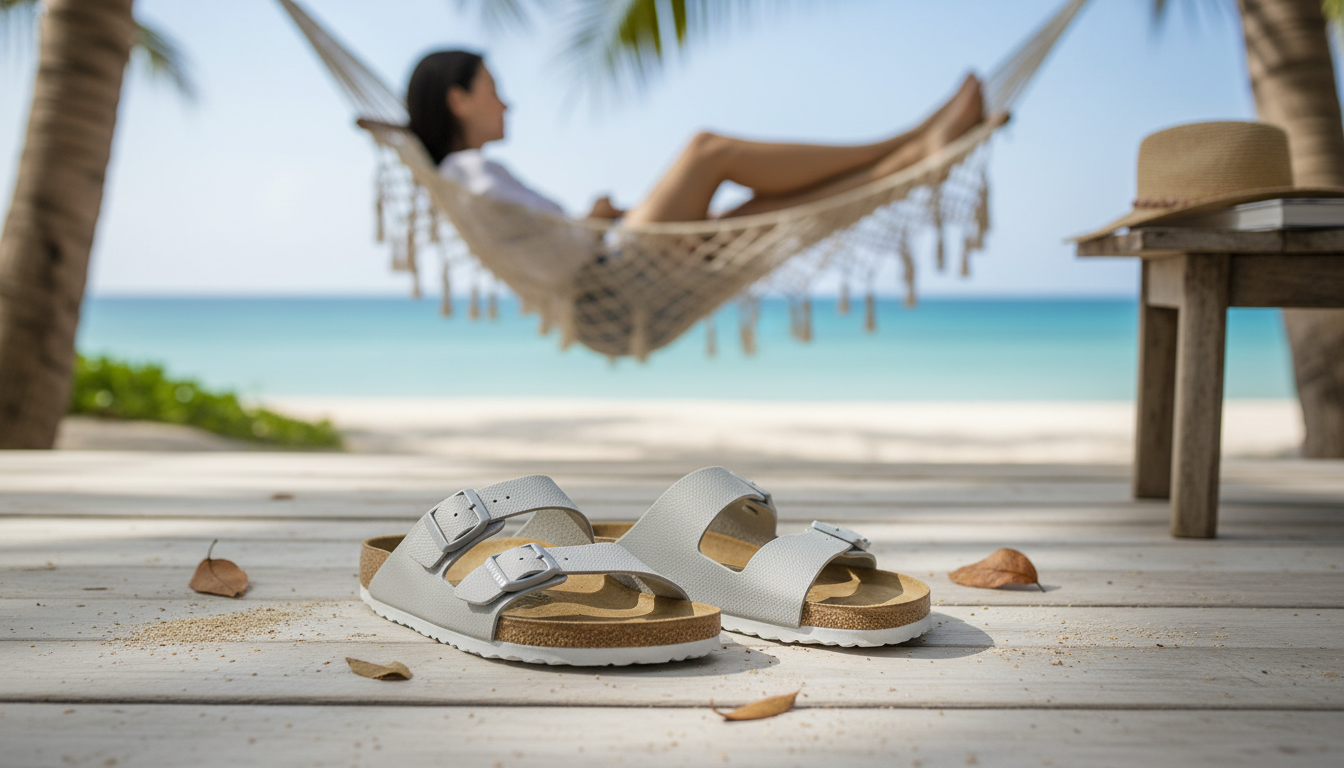
Birkenstock Men’s Grey Buckle Sandals: Fit, Feel, and Everyday Wear Guide
Buckle sandals from Birkenstock are known for a secure, adjustable fit and a supportive footbed that can handle long days on your feet. This guide breaks down what to look for in men’s buckle sandals—comfort, sizing, materials, and care—so it’s easier to choose the right pair and get the best wear out of them.
What Makes Men’s Buckle Sandals Different
Men’s buckle sandals stand out because they’re designed to feel “locked in” without the bulk of a closed shoe. The main advantage is adjustability: you can fine-tune the straps for a narrower foot, a wider forefoot, or even small differences between left and right feet. Compared with slip-on slides, buckles also help reduce forward drift and side-to-side sliding during longer walks.
Many buckle sandals pair that secure hold with a contoured footbed, which supports the arch and helps spread pressure more evenly as you move. For everyday life—errands, travel days, and lots of indoor standing—the buckle hardware adds stability and can make the sandal feel more dependable step to step.
In a neutral grey colorway, buckle sandals stay easy to style: grey reads clean and understated, works with black, navy, tan, olive, and denim, and doesn’t feel as stark as bright white.
Spotlight: Birkenstock Men’s Grey Buckle Sandals
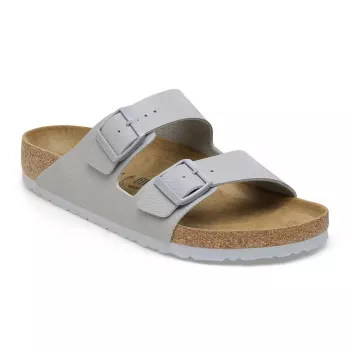
If you want that classic buckle-sandal structure with an easy-to-wear neutral color, Birkenstock Men’s Grey Buckle Sandals are a strong everyday pick. At $43.01 (USD) and currently in stock, they’re geared toward casual wear, warm-weather walking, and adjustable comfort. Before buying, it helps to confirm sizing, decide whether you prefer a softer vs. firmer footbed feel, and think about where they’ll be worn most—indoors, city pavement, or weekend trips.
| Detail | Info |
|---|---|
| Name | Birkenstock Men’s Grey Buckle Sandals |
| Color | Grey |
| Price | 43.01 USD |
| Availability | In stock |
| Product page | View product |
Fit and Sizing: Getting the Buckles Right
Good fit starts with the straps. Your foot should feel held in place without pinching or creating sharp pressure near the buckle. When the fit is too loose, many people subconsciously “grip” with their toes for stability, which can lead to fatigue on longer walks. A snug-but-not-tight fit usually feels the most natural once you’re moving.
Next, check length and placement. Toes shouldn’t touch the front edge, and the heel should sit inside the back rim (not hanging over). When trying sandals on, don’t just stand—take a few steps and notice whether the foot slides forward, whether the heel lifts, and whether any strap rubs as you roll through your stride.
For buckle strategy, set the strap closest to the ankle/instep first. That strap is the “anchor” that keeps the foot from shifting. After that, fine-tune the front strap for comfort and to prevent the forefoot from drifting forward. If you sometimes wear socks, leave a touch more room and plan to adjust buckles to accommodate the extra thickness.
Finally, expect a short break-in period. A supportive footbed can feel firm at first, especially if you’re used to softer foam slides. Short wears at home help your foot adapt while you spot and fix any hot spots early.
| Issue | Likely Cause | Adjustment |
|---|---|---|
| Heel lifting while walking | Instep strap too loose | Tighten the instep buckle one hole; ensure heel sits back in the footbed |
| Hot spot near buckle | Strap tension too high or buckle sits on pressure point | Loosen one hole; reposition strap; wear short sessions to break in |
| Foot sliding forward | Front strap too loose or sandal length too long | Tighten front strap slightly; consider re-checking size length |
| Toes hitting front edge | Sandal length too short | Try next size up; confirm toes have clearance during stride |
Comfort and Support for Daily Wear
For everyday use, the feel of a buckle sandal is mostly about the footbed shape and how well the straps stabilize your step. Supportive contouring can reduce fatigue during longer standing and walking sessions compared with flatter sandals, especially on hard surfaces like sidewalks, airports, and indoor flooring.
For general foot-health guidance and what to look for in supportive footwear, the American Podiatric Medical Association (APMA) is a helpful reference point.
Materials, Durability, and What to Watch For
For brand-specific care notes and product details, the Birkenstock official website is a reliable source.
Styling Ideas for Grey Buckle Sandals
Care and Maintenance Tips
Who These Sandals Suit Best
More In-Stock Picks on Arcanias
- Birkenstock Men’s Grey Buckle Sandals — adjustable everyday comfort in a neutral grey.
- Boost Your AI Prompts for Better Output – Checklist (Digital Download) — a quick reference for creators and professionals who want a simple workflow upgrade.
FAQ
How should buckle sandals fit on the heel and toes?
Toes shouldn’t press the front edge, and your heel should sit inside the rear rim without hanging over. Straps should hold the foot securely without pinching, and it’s best to confirm the fit while walking—not only while standing.
Do Birkenstock-style footbeds feel stiff at first?
They can feel firm initially because the support is structured rather than plush. Short wear periods, gradual break-in, and small buckle adjustments can help you settle in without creating hot spots.
Can grey buckle sandals be worn with socks?
Yes—thin-to-medium socks work well, and you’ll usually want to loosen the buckles slightly to account for thickness. Neutral sock colors like grey, black, and off-white keep the look clean and intentional.















Leave a comment