Mindful Mornings With AI: A 3–15 Minute Calm Routine
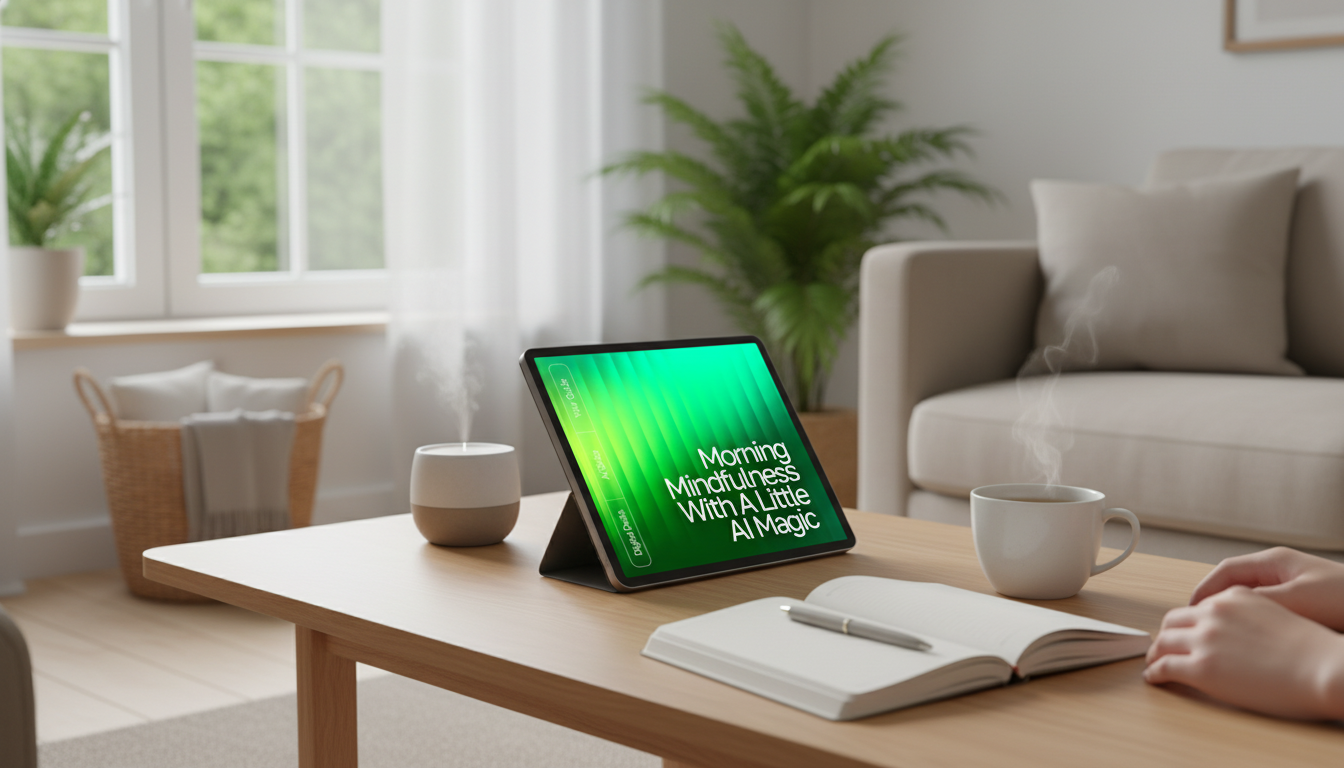
Morning Mindfulness with a Little AI Magic: A Calm, Intentional Start Without Overhauling Your Life
Mornings set the tone for attention, mood, and stress resilience. A mindful routine doesn’t need to be long or rigid—it needs to be repeatable. With a few steady “anchors” and a light touch of AI support, it’s easier to reduce decision fatigue, personalize reflections, and keep the habit alive even on busy, unpredictable days.
Mindfulness is widely associated with stress reduction and improved well-being, and it doesn’t require a perfect environment or a long session to be useful. Even brief breathing practices can help settle the body when the day starts fast. For deeper background, see the American Psychological Association’s overview of mindfulness research (APA) and a practical definition from Mindful.org (Mindful.org).
What a mindful morning really needs (and what it doesn’t)
A mindful morning is less about creating an ideal schedule and more about training a steady, kind attention that can travel with you. The goal is simple: steadier focus, gentler self-talk, and one clear next step.
- Keep it small enough for low-energy days. Consistency beats intensity. A routine that survives your worst mornings becomes the one you actually own.
- Use existing anchors. Attach mindfulness to something already happening: your first sip of water, brushing your teeth, opening the curtains, or starting the coffee.
- Avoid the common traps. Checking notifications first, multitasking through breakfast, or planning a 30-minute routine you can’t protect usually leads to quitting.
- Choose one “non-negotiable.” Protect a 60-second practice so the habit doesn’t disappear when the schedule collapses.
A simple 5–15 minute routine that adapts to real life
This structure is designed to flex. If you have 3 minutes, do the essential pieces. If you have 15, expand the same steps instead of reinventing the wheel.
Step 1: Arrive (30–60 seconds)
Feet on the floor. One slow exhale. Name one feeling without judging it (“tired,” “wired,” “hopeful,” “heavy”). Labeling a feeling helps create a little space around it.
Step 2: Regulate (2–4 minutes)
Try box breathing (in 4, hold 4, out 4, hold 4) or simply make exhales longer than inhales. If you want a quick guide to breathing exercises, the NHS has a clear walkthrough (NHS).
Step 3: Orient (1–3 minutes)
Let your eyes land on natural light. Notice three sounds. Soften the jaw and drop the shoulders. This is a fast way to shift from “rushing” into “here.”
Step 4: Intend (1–3 minutes)
Pick one value for the morning—patience, steadiness, focus, kindness—then choose a single doable action that matches it (send one email, prep one meal component, outline one task).
Step 5: Begin (1–4 minutes)
Start the first task with a “one-breath start.” Then remove one friction point: set out a mug, open the document you’ll work in, pack a bag, or put your shoes by the door.
Choose a routine length that matches the day
| Time available | Micro-practices | Best for | AI support idea |
|---|---|---|---|
| 3 minutes | 3 slow breaths + one intention + one next action | Chaotic mornings, parenting rush, late start | Generate a one-sentence intention and a single next step |
| 7 minutes | Breathwork + body scan + brief journal prompt | Most workdays | Create a short reflection prompt based on today’s calendar |
| 15 minutes | Breathwork + mindful movement + deeper journaling | Weekends, recovery days, creative work | Offer a guided theme (gratitude, boundaries, energy) with 3 questions |
| 25 minutes | Movement + meditation + planning with breaks | When building a new habit or during high stress | Turn priorities into a calm, time-blocked plan with buffers |
Where a little AI magic helps (without making mornings feel robotic)
The best use of AI in a mindful morning is brief and supportive—like setting out your “next right step” before your brain starts negotiating with you.
A week of mindful starts: themes to prevent routine fatigue
Make it stick: small habit mechanics that lower stress over time
Digital download guide: what to expect and how to use it
If you want a ready-to-follow script you can repeat without extra planning, the Morning Mindfulness with a Little AI Magic (digital download) is designed to be simple, calming, and practical. It includes an easy framework, AI-supported intention prompts, and quick ways to translate clarity into one doable next step.
For cleaner, more consistent outputs when you do use AI (without turning it into a time sink), pair it with Boost Your AI Prompts for Better Output – Checklist for Creators, Coaches & Entrepreneurs (digital download). Keeping your requests short and structured makes it easier to get a single helpful line you can carry into the day.
FAQ
How long does a mindful morning routine need to be to work?
Even 1–3 minutes can be effective when it’s repeated consistently. Start with a minimum routine (three breaths, one intention, one next step), then scale to 7–15 minutes on days with more space.
Can AI actually help with mindfulness without becoming a distraction?
Yes—when it’s used briefly, either before the routine or as a quick prompt generator. Keep outputs short, set a time limit, and avoid endless refining so your attention stays on your body and your next action.
What if mornings are unpredictable or stressful at home?
Use an anchor-based micro-routine: one breath, one softening of the shoulders, one intention—done anytime, even while making breakfast. If the morning falls apart, return to that single breath and restart from there without treating it as failure.
















Leave a comment