Pro 4K Drone: 360° Gimbal, 20-Min Flight for Smooth Video
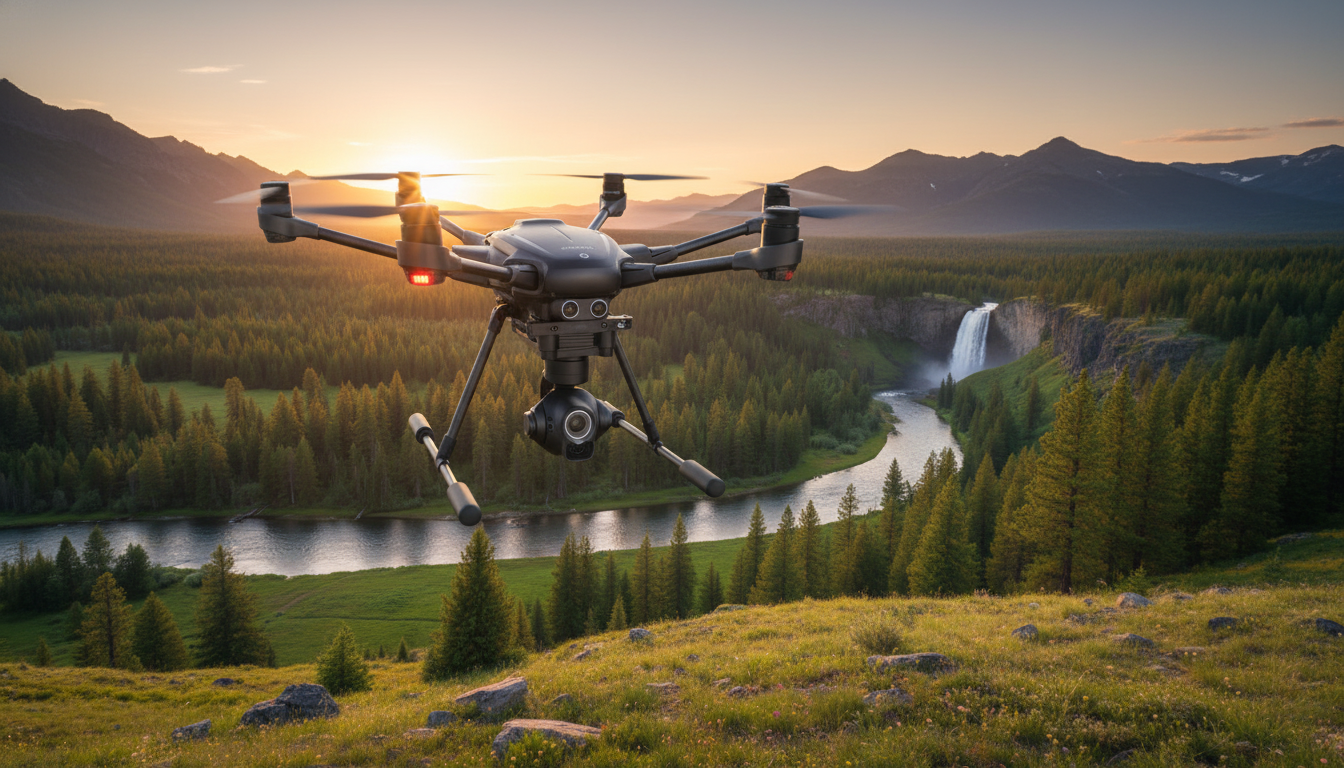
Professional 4K Camera Drone with 360° Gimbal and 20-Minute Flight Time
Smooth aerial footage depends on three things working together: image quality, stable stabilization, and enough airtime to capture multiple takes. This guide breaks down what a 4K quadcopter with a 360° gimbal and a 20-minute flight time offers, how it fits common shooting and inspection scenarios, and what to look for before taking off.
What Makes This Drone “Professional” in Real Use
“Professional” isn’t just about a spec sheet—it’s about how reliably a drone produces clean, usable shots when timing, light, and wind aren’t perfectly cooperative.
- 4K Ultra HD capture helps preserve detail for cropping, reframing, and clearer stills pulled from video—especially useful for social cutdowns and alternate aspect ratios.
- A 360° gimbal is designed to smooth out vibration and quick movements so footage looks steady instead of shaky, particularly during starts, stops, and direction changes.
- A 20-minute rated flight time supports longer establishing shots, repeat passes, and the breathing room needed to line up composition instead of rushing each take.
- Quadcopter flight behavior typically emphasizes stable hovering and predictable handling, which matters for controlled or repeatable shot paths.
Cinematic Shooting Scenarios This Setup Supports
A 4K camera paired with a stabilizing gimbal and practical battery life opens up a range of aerial angles that are hard to reproduce from the ground.
- Real estate and property walkarounds: slow orbits, pull-backs, and roofline passes where steadiness makes the difference between “watchable” and “premium.”
- Events and outdoor travel: wide establishing shots, crowd overview angles, and scenic tracking with smoother motion that feels less “toy drone” and more cinematic.
- Content creation: repeatable angles for consistent B-roll and vertical-friendly reframing from high-resolution footage, without the image falling apart.
- Light commercial inspection visuals: capturing overall condition views and hard-to-reach perspectives (always follow local rules and get site permissions).
Key Specs at a Glance
When comparing aerial camera drones, a few core features drive most of the real-world difference in results: resolution, stabilization, flight characteristics, and runtime. Keep in mind flight time is typically affected by wind, temperature, aggressive maneuvering, and battery health—and a gimbal’s value becomes most obvious during yaw turns and mild gusts.
| Feature | What It Means for Results |
|---|---|
| 4K Ultra HD camera | More detail for sharper playback and flexible cropping/reframing |
| 360° gimbal stabilization | Smoother pans and less jitter during turns and speed changes |
| Quadcopter design | Stable hovering and controlled movement for repeatable shot paths |
| Up to 20-minute flight time | More time to plan passes, redo takes, and capture multiple angles per battery |
How to Get the Smoothest Footage on a 20-Minute Battery
Great drone footage usually comes from simple discipline: fewer rushed decisions in the air, gentler inputs, and a plan that matches the battery clock.
- Plan each flight: decide on 3–5 specific shots per battery (for example: an orbit, a reveal, a top-down, and one tracking pass). This reduces midair indecision and helps keep your movement clean.
- Start with gentle stick inputs: slower yaw and gradual acceleration reduce visible micro-jerks, making footage look intentional instead of “twitchy.”
- Fly in calmer conditions when possible: wind increases stabilization workload, introduces horizon drift, and drains batteries faster—especially during long upwind holds.
- Keep takeoff and landing clean: these moments are often the shakiest. Let the drone settle into a stable hover before hitting record, and stop recording before you descend into turbulent air near the ground.
- Manage exposure: avoid flying from deep shade to bright sky without a quick check of highlights and horizon level. Protecting highlights helps keep the footage looking crisp and professional.
Safety, Rules, and Responsible Flying
- Check local and national drone rules before every flight, especially near airports, crowds, and restricted areas. In the U.S., start with the FAA’s guidance for recreational flyers: https://www.faa.gov/uas/recreational_flyers.
- Use airspace tools when planning, such as the FAA’s B4UFLY information: https://www.faa.gov/uas/getting_started/b4ufly.
- Know location-specific bans, including restrictions in many U.S. national parks: https://www.nps.gov/articles/unmanned-aircraft-in-the-national-parks.htm.
- Maintain visual line of sight when required and avoid flying over people or moving vehicles where prohibited.
- Respect privacy and property: obtain permission when filming private locations and communicate clearly on set or at a job site.
- Use pre-flight checks: props secure, battery seated, controls responsive, and a clear home/landing area.
Who This Drone Fits Best
Product Details and Availability
For a feature-focused aerial camera platform, the Professional 4K Ultra HD Camera Drone Quadcopter with 360° Gimbal, 20 Min Flight Time is available now at $1598.99 and is in stock. It’s a solid match for stabilized aerial capture where smooth motion and detailed image output matter most.
More in-stock items
- Boost Your AI Prompts for Better Output – Checklist for Creators, Coaches & Entrepreneurs | Digital Download
- Returning to Work After Motherhood: Your Ultimate Guide for Stay-at-Home Moms
FAQ
Is a 20-minute flight time enough for real filming sessions?
It can be, but some of that time goes to takeoff, positioning, and safe landing. Plan a short shot list per battery and expect wind or cold to reduce runtime, so extra batteries are a practical add-on for longer sessions.
What does a 360° gimbal help with compared to basic stabilization?
A gimbal actively stabilizes the camera to counter small vibrations and motion during turns, starts, and stops. The result is smoother footage that’s more usable straight out of the camera and often needs less post-stabilization.
Do drone rules apply even for casual filming?
Yes—regulations often apply regardless of whether filming is casual or paid. Check FAA requirements, local rules, and any airspace or location restrictions before every flight.















Leave a comment