Slow Feeder Bowls for Dogs & Cats: Stop Gulping
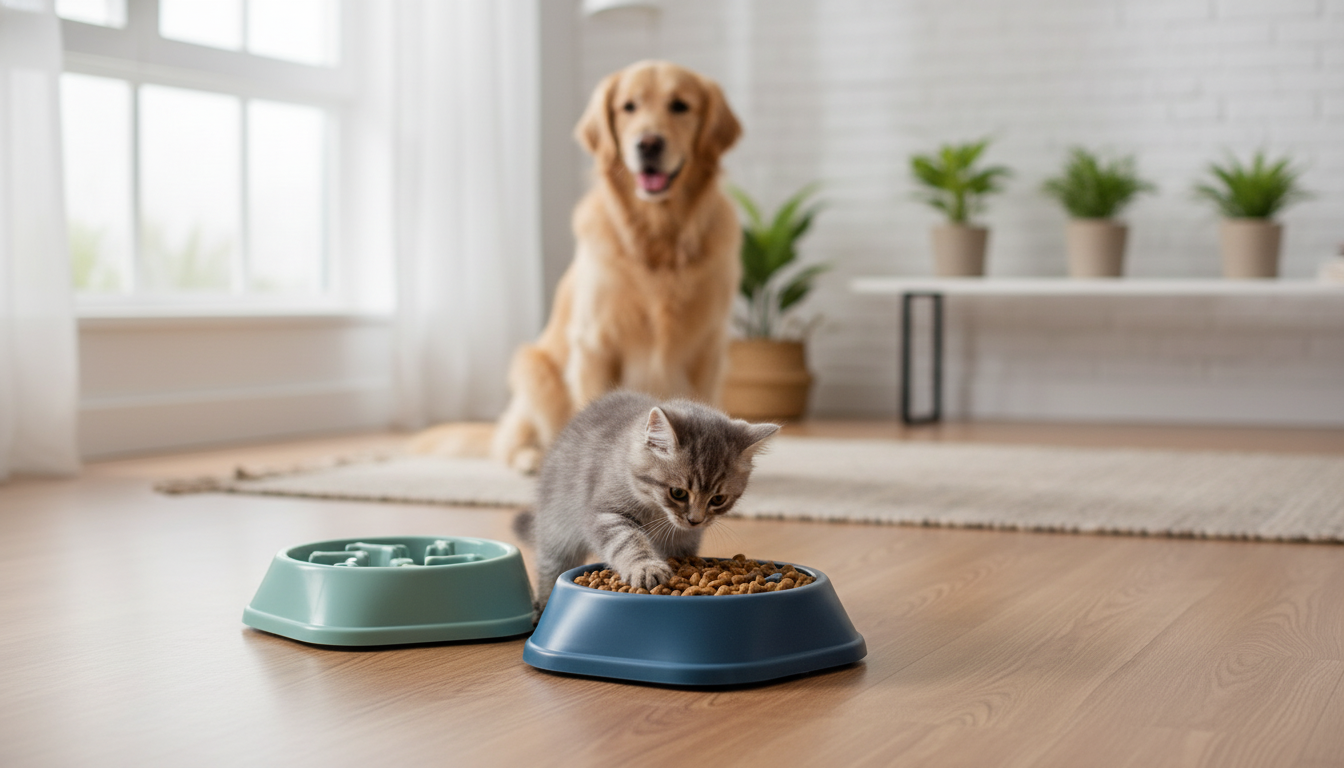
Slow Feeder Dog & Cat Bowl: Calmer Meals, Better Digestion, Happier Pets
Fast eating can lead to gulping air, messy mealtimes, and tummy discomfort for both dogs and cats. A slow feeder bowl turns each meal into a paced, engaging activity that supports healthier eating habits without changing what goes in the bowl. By adding simple “speed bumps” to the dish, many pets take smaller mouthfuls, pause between bites, and finish feeling more settled.
Why pets gulp their food
Speed-eating is common—and it isn’t always “bad manners.” It’s often a mix of habit, environment, and emotion.
- Competition or scarcity habits: In multi-pet homes (or pets who had to compete early in life), food can feel like a race.
- High food motivation: Highly palatable kibble, toppers, and wet food can trigger rapid eating even in calm pets.
- Boredom and low enrichment: If meals are the most exciting part of the day, some pets rush through them.
- Cats and “scarf-and-barf” patterns: Stress, routine changes, or long gaps between meals can lead to fast eating followed by regurgitation.
What a slow feeder bowl changes during meals
A slow feeder doesn’t “fix” appetite—it changes how the food is accessed, encouraging a steadier rhythm.
- Physical barriers slow mouthful size and pace so pets can’t inhale a full bite at once.
- Licking, pawing, and problem-solving can shift a frantic meal into a calmer, more focused activity.
- Less gulping of air may reduce burping, gas, and post-meal discomfort for some pets.
- Longer mealtimes help pets feel satisfied with the same portion, especially when paired with measured feeding.
- Portion routines get easier because the same measured amount lasts longer, reducing quick returns to begging.
Signs a slow feeder may help
Not every pet needs one, but a slow feeder is worth trying if mealtimes feel chaotic or uncomfortable.
- Food disappears in seconds, followed by coughing, gagging, or hiccups.
- Regurgitation or vomiting shortly after eating (classic “scarf and barf”).
- Frequent gas, burping, or loud gulping while eating.
- Weight gain driven by rapid eating and quick return to “begging mode.”
- Messy bowls and scattered kibble from frantic, pushy eating.
Slow feeding for dogs vs. cats
Dogs and cats often need different bowl geometry to stay comfortable and motivated.
- Dogs often do best with deeper channels and sturdier designs that resist pushing and flipping.
- Cats typically prefer shallower mazes with wider access to reduce whisker stress.
- Wet food is usually easiest in smoother grooves that rinse clean and don’t trap residue.
- Kibble can handle more maze variation and height for stronger slowing power.
- Nervous or easily frustrated pets may need a simpler pattern first, then a more challenging option later.
Quick fit guide: choosing a slow-feeding approach
| Pet & eating pattern | Bowl pattern to try | Feeding tips |
|---|---|---|
| Dog that inhales kibble | Deeper maze with multiple channels | Start with a slightly larger portion spread across the maze; supervise the first few meals |
| Dog that flips bowls | Heavier base or non-slip bottom | Feed on a flat surface; consider a mat under the bowl |
| Cat that scarfs then vomits | Shallow, wide maze | Offer smaller, more frequent meals; keep routine consistent |
| Senior pet or short-nosed breed | Lower-profile, gentler ridges | Ensure easy access; avoid tight corners that frustrate |
| Wet food feeder | Wide grooves, smooth surfaces | Press food lightly into grooves; rinse promptly after meals |
Getting started without frustration
A slow feeder should feel like a doable challenge—not a battle. A brief transition period can prevent stress and refusal.
Portioning and routine for healthier eating
For general feeding guidance and pet care basics, the American Veterinary Medical Association (AVMA) is a helpful starting point.
Cleaning and materials: what matters day to day
When to ask a veterinarian
- Urgent signs: Repeated vomiting, lethargy, abdominal swelling, or unproductive retching needs prompt veterinary attention.
- Ongoing changes: Sudden appetite changes, weight loss, or trouble swallowing should be evaluated.
- Cats with frequent vomiting: May need assessment for dietary intolerance, hairballs, or underlying medical causes.
- Bloat risk in dogs: Dogs at risk for gastric dilatation-volvulus (GDV) need individualized guidance. See VCA Animal Hospitals or the American Kennel Club (AKC) for an overview of signs and prevention.
- Food anxiety: Behavioral stress around meals may improve fastest with a combined plan (feeding setup + behavior support).
Product spotlight: Slow Feeder Dog & Cat Bowl
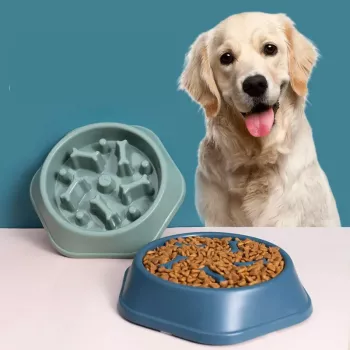
If mealtimes feel like a sprint, the Slow Feeder Dog & Cat Bowl – Anti-Gulping Food Dish for Healthy Eating is designed to slow down eating by guiding food through a maze-like pattern. It’s a practical option for dogs and cats that tend to rush meals, helping turn feeding into a calmer, more engaging routine—especially when paired with measured portions and a consistent schedule.
For pets who do better with a more relaxed daily rhythm beyond the bowl—like seniors, recovering pets, or small dogs that prefer less walking—consider a mobility-friendly option such as the Double-Layer Foldable Pet Stroller with Portable Carrier for Dogs and Cats to keep outings comfortable while maintaining predictable meal and rest times.
FAQ
Can a slow feeder bowl help with vomiting after eating?
It often helps when vomiting is linked to fast eating or gulping air, especially in “scarf-and-barf” pets. If vomiting is frequent, persistent, or paired with lethargy or appetite changes, a veterinary exam is needed to rule out medical causes.
Is a slow feeder safe for cats?
Yes, as long as the pattern is shallow enough for comfortable access and doesn’t force awkward angles that irritate whiskers. Start with an easier maze, watch for frustration, and clean the bowl well—especially when feeding wet food.
How long should a meal take with a slow feeder?
Many pets benefit when meals extend from seconds to several minutes, creating a calmer pace without turning dinner into a stressful puzzle. Aim for steady eating with occasional pauses, not frantic pawing or giving up.










Leave a comment