Self-Promotion Without Awkwardness: Scripts That Work
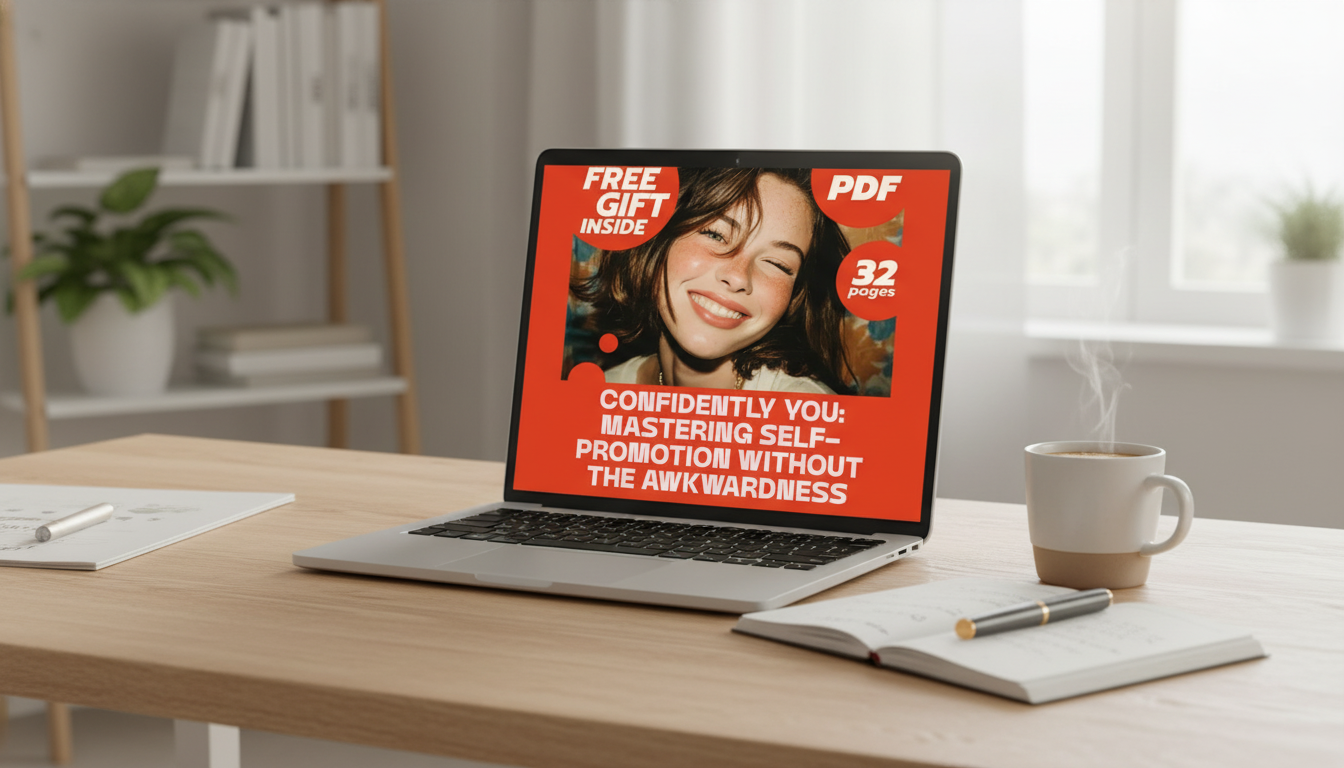
Confidently You: Mastering Self-Promotion Without the Awkwardness
Self-promotion can feel uncomfortable when it clashes with values like humility, teamwork, or authenticity. With the right framing and a few repeatable scripts, it becomes less about “bragging” and more about clarifying impact, building trust, and making it easy for others to understand your strengths. The goal is calm, grounded visibility: sharing evidence of value so the right people can make better decisions about opportunities, resources, and roles.
If a structured, step-by-step approach helps, Confidently You: Mastering Self-Promotion Without the Awkwardness is designed to turn “I don’t want to sound pushy” into clear, natural language you can reuse in updates, reviews, and networking.
Why self-promotion feels awkward (and why it matters anyway)
Most awkwardness isn’t about the words—it’s about the risk. Self-promotion can trigger fears of being judged, disliked, or labeled arrogant. Add in cultural or family messages like “good work speaks for itself,” and it’s easy to default to silence, even in environments that reward visibility.
But visibility isn’t vanity. It supports collaboration because people can’t advocate for results they don’t know about. Teammates can’t route the right projects your way, managers can’t defend your impact in calibration meetings, and stakeholders can’t learn from what worked if the outcome stays hidden.
A useful reframe: it’s not “selling yourself,” it’s sharing evidence of value and making outcomes legible. You’re reducing ambiguity so others can trust your judgment and understand where you’re most effective.
A simple mindset shift: from spotlight to service
When self-promotion feels cringey, it’s often because the message centers the ego instead of the work. Shifting from spotlight to service makes updates feel more like helping than asking for attention.
- Talk about outcomes, not ego: focus on what changed, improved, or shipped.
- Use “credit anchors”: name collaborators, stakeholders, or shared goals to keep it balanced.
- Be useful to decision-makers: clear updates help allocate opportunities, budgets, and trust.
- Swap posture: from “Look how great I am” to “Here’s what worked and what it enabled.”
This aligns with practical career guidance commonly shared in leadership literature, including advice on promoting your work without bragging from Harvard Business Review.
The self-promotion framework: evidence + context + next step
If you tend to ramble or downplay, a simple structure keeps you concise and confident.
- Evidence: a measurable result, delivered milestone, or clear before/after.
- Context: why it mattered (customer impact, revenue, risk reduced, time saved, quality improved).
- Next step: what support is needed, what opportunity fits, or what the listener should do.
Confidence comes from clarity. The more specific your evidence is, the less you need intensity, disclaimers, or extra justification.
Turn awkward statements into confident updates
| Awkward version | Confident version | Best moment to use it |
|---|---|---|
| I worked really hard on this project. | Delivered the onboarding refresh that cut time-to-first-action by 18%; next step is testing the new email sequence. | Team update or stakeholder recap |
| Not to brag, but I’m pretty good at this. | Over the last quarter, trained three teammates on the workflow; cycle time dropped from 7 days to 4. | Performance check-in |
| I deserve more recognition. | Here are the results from the last two launches and the lessons learned; interested in leading the next rollout. | Career growth conversation |
| I’m looking for any opportunity. | Best fit: projects involving process design and cross-team coordination; happy to support upcoming initiatives in that lane. | Networking message |
Scripts that sound natural in real conversations
Good scripts don’t make you sound robotic—they reduce cognitive load when you’re put on the spot.
Building these habits is easier when you treat communication like a skill you can practice. Evidence-based approaches to confidence and resilience—like tracking wins and reframing self-talk—are frequently emphasized by organizations such as the American Psychological Association.
Where self-promotion fits without feeling forced
| Channel | What to share | Frequency |
|---|---|---|
| Team channel | Milestone shipped + what it unlocked | Weekly |
| Manager 1:1 | Top 2 outcomes + risks + help needed | Biweekly |
| LinkedIn/about page | 2–3 measurable highlights and focus areas | Quarterly refresh |
| Networking message | One relevant result + a question about their work | As needed |
For online profiles, replace adjectives with proof: scope, numbers, and stakeholders. If you want platform-specific guidance, LinkedIn provides general best practices for communicating your experience clearly and credibly.
If you’re returning to the workforce and rebuilding your professional narrative, Returning to Work After Motherhood: Your Ultimate Guide for Stay-at-Home Moms can help you translate life and volunteer experience into outcomes that read as real strengths—without overselling.
Common mistakes that make it feel worse
A practical tool to build confidence fast
For ready-to-use prompts and fill-in templates that make updates and messages easier to draft, pair your impact log with Boost Your AI Prompts for Better Output – Checklist for Creators, Coaches & Entrepreneurs. It’s a quick way to turn rough notes into clear, professional language while keeping your voice.
FAQ
How can self-promotion feel authentic if it’s uncomfortable?
Anchor on outcomes and service: share what changed, why it mattered, and what’s next. Use a tone that matches your values, and add “credit anchors” so your update reflects the reality of teamwork.
What’s a simple way to talk about achievements without sounding like bragging?
Use action + measurable result + relevance to a shared goal, then stop. If it fits, end with a next step or an offer to share the process so it lands as helpful, not performative.
How often should wins be shared at work?
A weekly or biweekly rhythm works well: one highlight, one learning, and one priority. Sharing consistently (not only during reviews) lowers pressure and makes your impact easier to track.
















Leave a comment