A portable handheld fabric steamer smooths wrinkles fast without the hassle of setting up an ironing board, which makes it a go-to for last-minute outfit fixes, freshening fabrics between washes, and packing light for trips. With the right technique—and a few fabric-specific habits—you can get crisp-looking results while staying gentle on delicate materials.
Why a handheld steamer earns a spot in the routine
Handheld steamers fit into real life because they’re built for speed and flexibility. Instead of clearing a table or dragging out an ironing board, you can handle quick touch-ups right where clothes already hang.
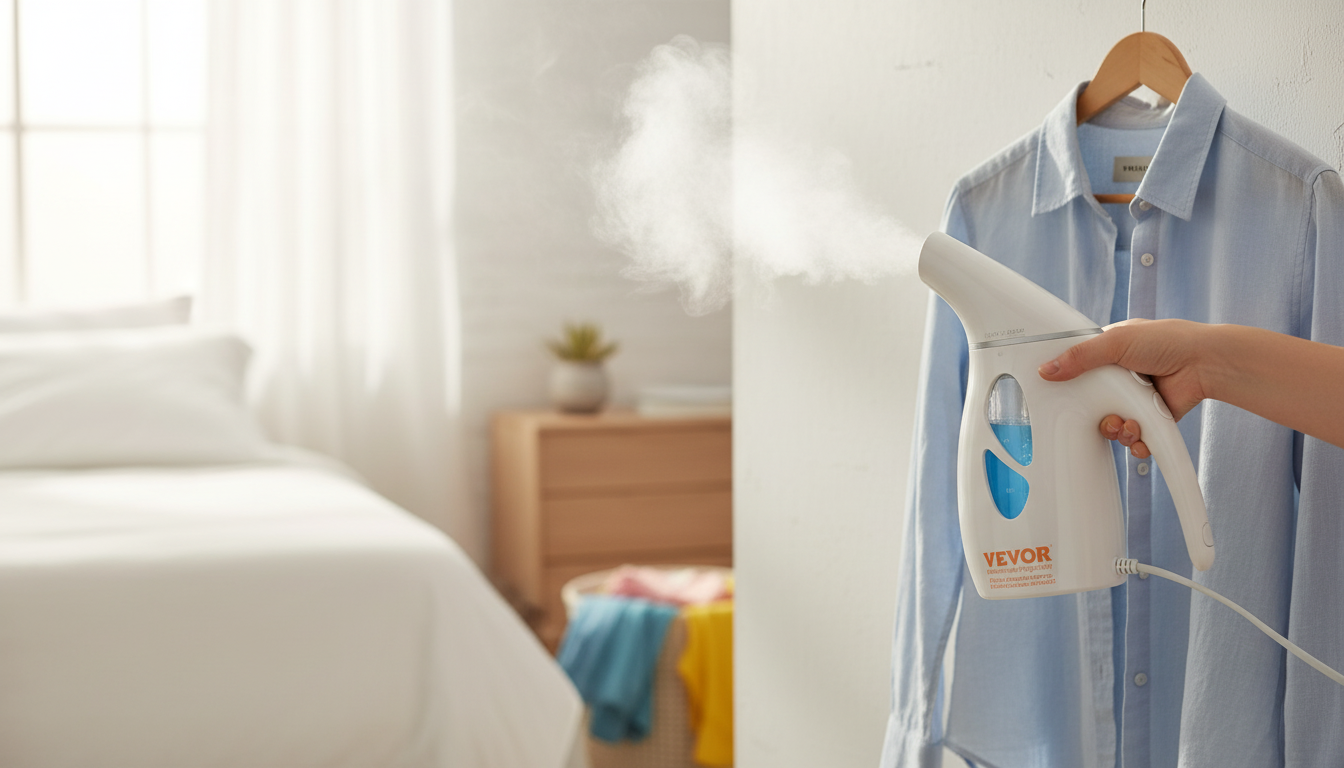
- Fast setup: plug in, heat, steam, and smooth garments directly on a hanger.
- Gentler on many fabrics: steam relaxes fibers without the direct hot-plate contact that can flatten texture or shine some synthetics.
- Quick refresh between wears: steam can help relax fibers and reduce light odors on clothing, curtains, and removable upholstery covers.
- Travel-friendly: smaller footprint than most irons—handy for hotel-room touch-ups and event days.
What it works best on (and what to avoid)
Steam is versatile, but results depend on fabric type, weave, and finishing. When in doubt, let the care label guide you and test gently first.
- Best results: cotton blends, polyester, rayon/viscose blends, light wool, and most everyday shirts and dresses.
- Great for household fabrics: curtains, pillow shams, table linens, and garment bags (test first in a hidden spot).
- Use extra caution: silk, velvet, sequins, glued embellishments, coated fabrics, and “dry clean only” items—test steam on an inside seam and keep the nozzle farther away.
- Avoid saturating: leather, suede, and heavily water-sensitive materials; follow the care label.
Care labels are especially helpful for heat and moisture limits. For a clear overview of how labeling is regulated, see the Federal Trade Commission (FTC) guidance on care labeling.
How to use a handheld steamer for smoother results
A few small technique tweaks can be the difference between “kind of better” and “looks freshly put together.” Steam works by relaxing fibers; it helps to give the fabric space and a little tension so it can drop into a smoother shape.
- Hang the garment on a sturdy hanger: keep the hanger stable and pull fabric taut with a heat-resistant glove (or by holding the hanger steady and tugging from a safe distance).
- Start at the top and work downward: use slow passes so steam can penetrate, then let the fabric relax.
- Match the pace to the fabric: short bursts for thin fabrics; slower passes for thicker areas like collars, cuffs, plackets, waistbands, and hems.
- Let it set: give the garment a minute or two to dry before wearing to prevent re-wrinkling and water marks.
- If water spotting occurs: reduce steam time on that area, let the fabric dry fully, then re-steam lightly from a bit farther away.
For dress shirts, a practical order is: collar (underside first), shoulders/yoke, sleeves, then the front and back panels. For dresses, start at the bodice and work down the skirt in vertical sections.
Safety basics to prevent burns and fabric damage
Steam is effective because it’s hot—so a few precautions matter. Scalds can happen quickly, even if the nozzle never touches skin.
- Keep hands out of the steam path: use a glove if you need to hold fabric in place.
- Never steam clothing while it is being worn: shifting fabric can direct steam toward skin unexpectedly.
- Point the nozzle away when turning on/off: and rest the unit on a heat-safe surface during pauses.
- Use distilled water if tap water is hard: it reduces mineral buildup, sputtering, and residue.
- Unplug and cool before refilling or storing: empty leftover water to reduce odors and scale.
For additional burn-prevention and first-aid guidance, consult the CDC burn prevention resources and Mayo Clinic burn first aid.
Steamer vs. iron: choosing the right tool for the job
Steamers and irons overlap, but they excel at different finishes. One isn’t “better”—they’re simply better at different tasks.
- Choose a steamer for: quick de-wrinkling, delicate fabrics, drapes on the rod, knits that don’t love pressure, and last-minute outfit prep.
- Choose an iron for: sharp creases, crisp collars, pleats, uniform-style seams, and heavy linen where pressure and a flat plate matter.
- A practical combo: keep a steamer for day-to-day speed and an iron for the occasional truly “pressed” look.
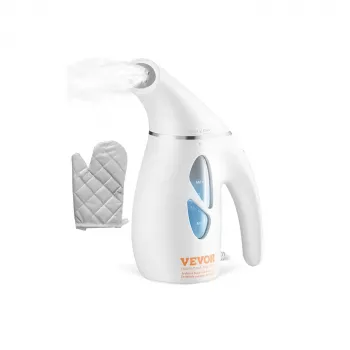
Portable Handheld Fabric Steamer is currently available for easy grab-and-go garment care.
Routine pairing: wardrobe confidence for workdays
For anyone rebuilding an office-ready routine, clothing prep is often part of the morning time crunch. A steamer pairs well with a practical planning resource like Returning to Work After Motherhood: Your Ultimate Guide for Stay-at-Home Moms, especially when polished outfits and fast mornings need to coexist.
Care and maintenance for consistent steam
Common issues and quick fixes
FAQ
Can a handheld steamer replace an iron?
A handheld steamer is excellent for fast wrinkle release and many delicate fabrics, but an iron is better for sharp creases and a pressed finish. Many households keep both: steamer for speed, iron for precision.
Is it safe to use a handheld steamer on delicate fabrics like silk?
It can be safe if the care label allows it, but it’s best to test on an inside seam first and use short passes from a slightly greater distance. Avoid prolonged steaming on embellishments, glued details, or water-sensitive finishes.
Why does my steamer spit or leak water?
Common causes include not letting it fully heat up, overfilling, tilting too far while steaming, or mineral buildup. Using distilled water, keeping the steamer upright, and cleaning/descaling as needed usually resolves it.
Recommended for you





Leave a comment