New Balance Brand Personality: Traits, Values & Signals
What “brand personality” means for an athletic brand
Brand personality is the set of human traits people consistently associate with a brand—dependable, innovative, rebellious, refined, and so on. For athletic footwear and apparel, those traits aren’t built only through ads or slogans. They’re reinforced by the lived product experience: how a shoe fits at mile three, how cushioning feels after months of use, whether materials hold up to daily wear, and how easy it is to find the right size.
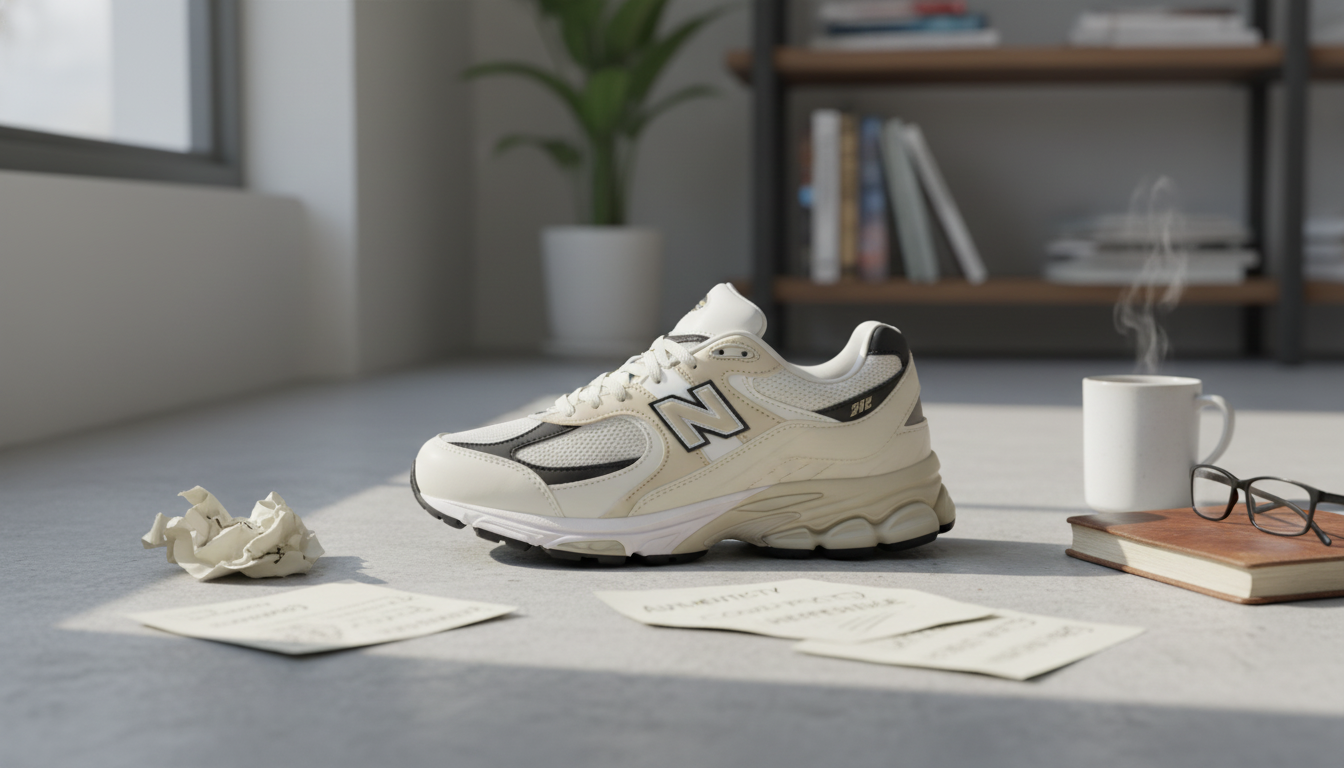
New Balance is often perceived as practical, authentic, quietly confident, and craft-oriented—designed to be worn (hard) rather than merely displayed. When those traits show up consistently across product design, partnerships, retail, and customer service, the brand becomes easy to recognize even without loud signals.
Core personality traits associated with New Balance
New Balance’s personality tends to land in a distinctive middle ground: performance-credible without being flashy, style-aware without chasing trend cycles for their own sake. A few traits come up again and again in how people describe the brand—and in how the brand presents itself.
New Balance personality map: traits and what signals them
| Trait | What it looks like | Where it shows up |
|---|---|---|
| Authentic | Heritage silhouettes and honest storytelling | Classic models, brand history, long-running lines |
| Dependable | Comfort-first design and durability cues | Everyday trainers, walking/running staples, repeat purchases |
| Independent | Less reliance on hype language; product does the talking | Understated campaigns, steady seasonal updates |
| Inclusive | Fit options, practical style range, broad appeal | Wide sizing, versatile colorways, lifestyle + sport overlap |
| Quietly progressive | Modern tech presented with restraint | Performance shoes, subtle material upgrades |
What makes these traits “stick” is repetition across touchpoints. A fit-first sizing range supports inclusivity. Subtle, functional updates support quiet progress. A steady cadence of improvements supports dependability. Together they form a personality that feels earned, not manufactured.
Brand values that shape the identity
Underneath personality traits sit brand values—the principles that guide product decisions and creative direction. With New Balance, a few values are especially visible.
Craft and credibility
New Balance leans on trust built through construction, materials, and performance. Rather than positioning every release as a radical reinvention, many stories focus on refinement: better foam, improved uppers, more stable geometry, stronger durability—changes that feel practical and measurable.
Function with style
New Balance design often starts from wearability. That doesn’t mean it’s “anti-style”; it means the aesthetic typically follows the function. The result is a look that pairs easily with everyday wardrobes—athletic, work-casual, streetwear—without needing extreme shapes or loud branding to feel current.
Respect for sport and community
From running culture to basketball, skate, and lifestyle, the brand’s identity is reinforced when athletes and creators use the product as a tool, not a costume. That long-term legitimacy matters: when runners trust a brand for training, the halo effect often extends to everyday buyers.
Longevity
The brand’s staples are positioned as repeatable favorites—items that stay in rotation across seasons. That “staple” mindset encourages loyalty because it aligns with real routines: commuting, standing all day, weekend walks, and consistent training blocks.
Visual identity cues that communicate personality
New Balance’s identity is readable at a glance because its visual cues support the same grounded traits found in the product experience.
The “N” mark and utilitarian confidence
The “N” often reads like a functional stamp—bold, straightforward, and not overly decorative. It signals utility and performance credibility rather than luxury ornamentation.
Grounded palettes with selective contrast
Greys, navies, off-whites, and other neutrals show up frequently, making shoes easy to style and reinforcing practicality. When brighter colors appear, they often feel deliberate—an accent rather than the whole story.
Silhouettes that bridge retro and modern
Layered panels, tactile materials, and familiar running proportions communicate craft. Even when the tech is advanced, the look typically avoids sci-fi exaggeration, supporting that “quietly progressive” feel.
Tone of voice and messaging patterns
New Balance messaging tends to be direct and product-led. Instead of relying on abstract lifestyle promises, the language commonly anchors in comfort, fit, stability, and purpose-built performance. The confidence is present, but restrained—more “proof through use” than “announcement.”
Community and purpose show up through actions: highlighting makers, athletes, and everyday wearers. That approach can feel more believable than celebrity-first storytelling because it keeps the product at the center.
How collaborations fit the identity (without losing it)
Customer experience and community signals
Using the brand personality as a practical checklist
Learn more and shop related guides
For a deeper, downloadable reference you can revisit, explore Unpacking New Balance’s Brand Personality: A Comprehensive Guide to New Balance’s Identity.
If building clearer messaging systems is part of your workflow, Boost Your AI Prompts for Better Output – Checklist for Creators, Coaches & Entrepreneurs is a quick, practical add-on for organizing your inputs and improving consistency.
Authoritative sources
- New Balance — Official Site
- New Balance — Official Press / Newsroom
- American Marketing Association Dictionary — Brand Personality
FAQ
What are the defining personality traits of New Balance?
New Balance is commonly associated with being authentic, dependable, independent, inclusive, and quietly progressive. Those traits show up through heritage silhouettes, comfort-and-fit emphasis (including wide sizing), restrained messaging, and modern performance updates presented without excessive futurism.
Why is New Balance often described as “quietly confident”?
The brand’s confidence comes through in a restrained tone and practical design choices rather than loud claims. Credibility is built through performance, comfort, and longevity—traits that don’t need to be shouted to be felt.
How do collaborations affect New Balance’s identity?
Selective collaborations can strengthen identity by highlighting craft, community stories, or thoughtful material choices while keeping core comfort and wearability intact. If collaborations become too frequent or hype-driven, they can dilute the brand’s earned, product-first credibility.












Leave a comment