Modern LED Crystal Chandeliers: Room-by-Room Guide
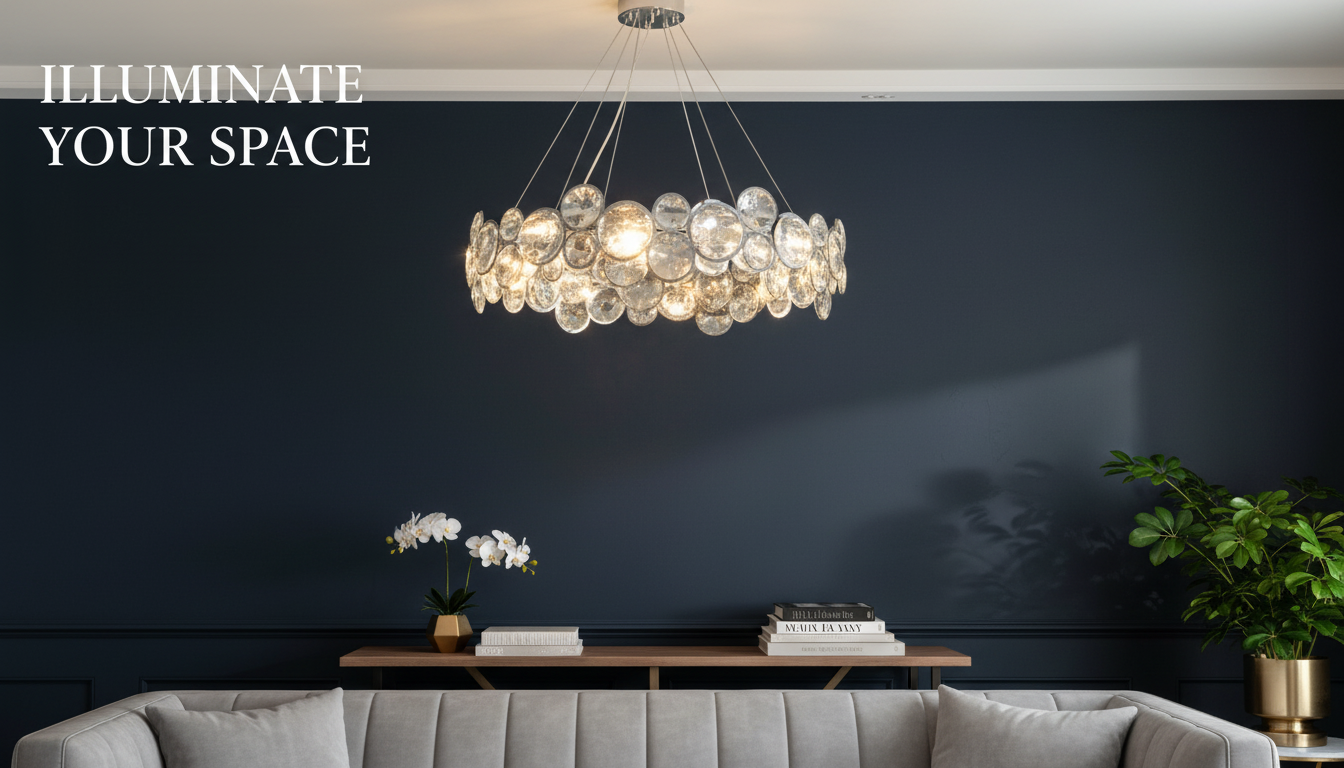
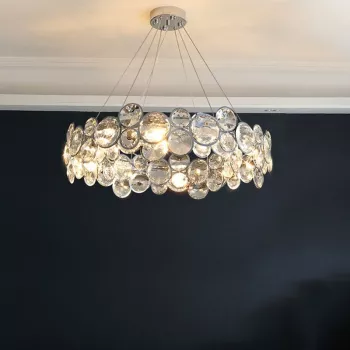
Modern LED Crystal Chandelier for Dining, Living Room, and Bedroom
A crystal chandelier can be both a statement piece and a practical light source—especially when paired with efficient LED illumination. The result is a fixture that looks elevated at a glance, yet performs like a modern lighting tool: consistent output, less wasted energy, and less heat near delicate crystal elements. Below are clear, room-specific ideas plus sizing, lighting, material, installation, and care tips that help a chandelier look intentional (not oversized, undersized, or glaring) for years.
What Makes an LED Crystal Chandelier Feel Modern
“Modern” crystal lighting isn’t about removing the glamour—it’s about refining it. A contemporary LED crystal chandelier usually leans on clean geometry and streamlined silhouettes, so the sparkle reads crisp rather than ornate. Crystal accents refract light into layers, creating depth and shimmer instead of a single flat wash across the ceiling.
LEDs also change the experience in practical ways. Compared with many traditional multi-bulb setups, LED light sources typically run cooler and can reduce energy use while still delivering strong brightness. For a cohesive, updated look, the chandelier works best when nearby finishes—cabinet pulls, frames, furniture legs, and other metal details—feel coordinated rather than competing.
For background on LED efficiency and longevity, see the U.S. Department of Energy overview of LED lighting and ENERGY STAR’s guide to LED light bulbs.
Room-by-Room Placement Ideas
Placement is what turns a chandelier from “pretty” to “perfect for the room.” Use the fixture to define a zone, reinforce symmetry, and support how the space is actually used.
Dining room
Center the chandelier over the table to anchor the dining zone. Crystals add sparkle that feels celebratory during gatherings, while LED output keeps the tabletop bright enough for food, conversation, and details like place settings.
Living room
In open layouts, a chandelier can visually “claim” the seating area. Position it over the room center or centered above the main conversation grouping. Pair with lamps so overhead lighting isn’t the only source after dark.
Bedroom
A chandelier in the bedroom replaces a basic flush mount or ceiling fan with a more tailored finish. The key is comfort: choose a calmer color temperature, keep brightness dimmable, and avoid direct glare when sitting up in bed.
Entry-adjacent spaces
In dining or living areas close to the entry, crystal can amplify daylight and create a welcoming shimmer at night—especially when wall colors and reflective surfaces (mirrors, glossy tile, metallic accents) are kept balanced.
| Room | Best placement | Comfort tip | Style pairing |
|---|---|---|---|
| Dining room | Centered over table | Keep the bottom of the chandelier comfortably above eye line when seated | Match metal finish to chair legs or sideboard hardware |
| Living room | Centered over seating area or room center | Layer with lamps to avoid overly bright overhead-only lighting | Pair with clean-lined furniture and a simple rug pattern |
| Bedroom | Centered over bed area or room center | Choose softer color temperature for a calmer feel | Coordinate with bedside sconces or lampshades |
Sizing and Hanging Height Basics
Scale is the difference between a chandelier that feels “designed” and one that feels accidental. Start by considering the chandelier’s diameter relative to the room and, for dining areas, the tabletop size. A proportional fixture leaves visible breathing room around the table edges and avoids crowding the visual field.
Hanging height depends on ceiling height and how the space is used. Higher ceilings can support a longer drop that reads dramatic and architectural; standard ceilings often look best with a tighter, more controlled hang so the chandelier stays connected to the room rather than dangling too low. In bedrooms, prioritize headroom and comfort—keep clearances generous in walk paths and avoid a position where the brightest points shine directly toward the bed.
Lighting Quality: Brightness, Color Temperature, and Ambience
Crystal multiplies the impression of light, but it doesn’t replace the need for adequate illumination. A dining room still needs enough brightness for meals and entertaining, and a living room benefits from layered lighting so faces look flattering and corners don’t fall dark.
Materials and Finish Details That Affect the Look
Installation Notes and Safety Considerations
LED fixtures and dimmers must be compatible to prevent flicker or limited dimming range. After mounting, level the fixture and adjust crystal strands so the drape looks uniform. For additional perspective on safety and certification, UL Solutions provides an overview of lighting safety and certification.
Care and Cleaning to Keep the Crystal Sparkle
A Featured Option for a Polished, Contemporary Glow
If you’re ready to bring modern sparkle into your space, the Modern LED Crystal Chandelier for Dining, Living Room, and Bedroom is designed to deliver a crisp, elevated look with crystal brilliance and LED efficiency. It suits a dining table focal point, a living room seating area centerpiece, or a bedroom statement light—especially when paired with layered lighting (floor lamps or bedside lamps) for easy mood shifts.
More Picks Available
- Returning to Work After Motherhood: Your Ultimate Guide for Stay-at-Home Moms
- Double-Layer Foldable Pet Stroller with Portable Carrier for Dogs and Cats
- Boost Your AI Prompts for Better Output – Checklist (Digital Download)
FAQ
Can an LED crystal chandelier be used on a dimmer switch?
Yes—as long as the chandelier’s LED components and the wall dimmer are compatible. Using the right dimmer type helps prevent flicker and improves the dimming range.
How high should a chandelier hang over a dining table?
Aim for comfortable clearance above the tabletop so sightlines stay open and the fixture doesn’t feel intrusive. Fine-tune the height based on ceiling height and the chandelier’s overall scale.
What’s the easiest way to clean crystal without dulling it?
Turn off power, dust regularly, and use a soft cloth with minimal moisture for deeper cleaning. Avoid harsh cleaners and abrasive materials that can cloud crystal or damage finishes.














Leave a comment