Minimalist Wool Long Coat for Women: Fit, Fabric & Care

Minimalist Wool Long Coat for Women: Clean Lines, Warm Layers, Timeless Style
A minimalist wool long coat is a cornerstone piece for cooler seasons—polished enough for work, understated for everyday, and versatile across outfits. The best versions feel quietly luxurious: balanced proportions, refined finishing, and warmth that doesn’t come with bulk. Below is a practical guide to choosing fabric and construction details, dialing in fit, building simple outfits, and caring for wool so your coat stays crisp year after year. For more guidance, see Coat – Wikipedia.
What makes a minimalist wool long coat feel elevated
Minimalism looks effortless when the design decisions are intentional. In a long coat, that “elevated” feeling comes from clean architecture and thoughtful details rather than loud branding. For further reading, see Long Wool Coats: Perfect For Petite Women.
- Streamlined silhouette: minimal hardware, clean seaming, and balanced proportion from shoulder to hem keep the look modern and calm.
- Length and movement: longer hems read refined; a back vent (or side slits) improves stride and helps the coat drape instead of clinging.
- Collar choices: notched lapels feel tailored; a stand collar feels modern; a collarless neckline looks sleek with scarves.
- Practical structure: light shoulder shaping and quality lining help the coat hold its form without looking stiff.
- Quiet details that matter: reinforced pockets, neat topstitching, and consistent seam allowance create a crisp finish up close.
Material and warmth: understanding wool and blends
Wool earns its reputation because it’s warm without being heavy, breathable when temperatures fluctuate, and naturally resistant to odor—ideal for a coat you’ll wear repeatedly throughout the week.
- Wool’s advantage: strong insulation-to-weight, breathability, and natural odor resistance for repeat wears.
- Blend considerations: synthetics can add durability and reduce wrinkling; cashmere content can soften the hand-feel, often with higher care sensitivity.
- Lining and wind protection: full lining makes layering easier; tighter weaves and higher fabric density generally block wind better.
- Comfort checks: the fabric should feel smooth at the neck and wrists; the best coats are comfortable even on bare skin, not just over layers.
For care fundamentals and fabric-specific guidance, see Woolmark’s wool care resources and the University of Minnesota Extension’s overview on caring for wool.
Fit checkpoints that keep the look minimalist (not bulky)
A minimalist coat should skim, not swallow. The goal is clean outer lines with enough room to layer without strain.
- Shoulders first: the shoulder seam should land at the shoulder edge; too wide reads oversized, too narrow restricts movement and layering.
- Sleeve length: aim for wrist-bone coverage; tailor-friendly sleeves are a plus if hemming is needed.
- Chest and upper arm: allow space for a knit or blazer without pulling at closures or gaping at the lapel.
- Waist and hip ease: long coats should skim the body; check for tension at the pocket area and hip line while walking.
- Hem length: mid-calf is classic; full-length feels dramatic but should still clear the ground with boots.
Quick fit checklist (try-on test)
| Test | What to do | Good sign |
|---|---|---|
| Layer test | Wear a medium-weight sweater underneath and button/close the coat | No pulling at buttons; lapels lie flat |
| Reach test | Reach forward as if grabbing a steering wheel | Back and upper sleeves move without tightness |
| Pocket test | Place hands in pockets and walk a few steps | Pockets sit flat; coat doesn’t hike up at hips |
| Sit test | Sit down and stand back up | Hem and vent don’t strain; coat resettles smoothly |
| Wind test | Close the front and raise the collar slightly | Neck feels protected without scratchiness |
Styling formulas for a capsule wardrobe
A long wool coat can “finish” outfits that are otherwise simple. Keeping shapes and colors restrained makes the coat feel like part of a deliberate uniform rather than a one-off statement.
Care and longevity: keep wool looking new
For storage and moth-prevention best practices, the Royal Horticultural Society’s guidance on clothes moths is a helpful reference.
A refined option to consider
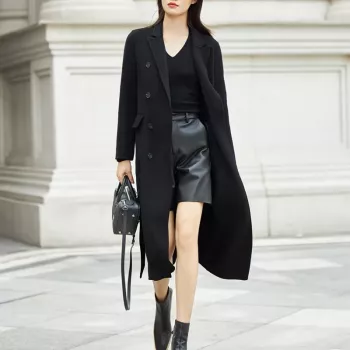
- Minimalist Wool Long Coat for Women: a long, clean-lined outer layer designed to pair easily with both tailored and casual outfits.
- Best for: creating a consistent, understated silhouette across a small wardrobe—especially with tonal basics and structured footwear.
- Before buying: confirm preferred length (mid-calf vs. longer), layering needs (thin knits vs. blazers), and sleeve length for your height.
If your wardrobe refresh is tied to a new schedule or office return, pairing a dependable coat with a streamlined routine can make getting dressed feel simpler. Returning to Work After Motherhood: Your Ultimate Guide for Stay-at-Home Moms is a supportive read for planning a smoother transition.
FAQ
How warm is a wool long coat in winter?
Warmth depends on fabric weight and density, whether the coat is fully lined, and how windy or damp your climate is. In mild winters, a wool long coat with a sweater is often enough; in colder conditions, add a warm scarf, gloves, and a base layer to reduce heat loss at the neck and wrists.
Should a long wool coat fit snug or oversized?
A skimming fit is usually the most minimalist: shoulders aligned, room for a sweater or blazer, and a closure that fastens without pulling. Oversized cuts can look intentional, but they soften the tailored effect and may hide the clean lines that make minimalist coats feel sharp.
How often should a wool coat be dry cleaned?
Dry cleaning is best kept occasional—when the coat is visibly soiled, has lingering odors, or at the end of a heavy season—always following the care label. Between cleanings, airing out, brushing, and spot cleaning can keep wool looking fresh and extend the coat’s life.













Leave a comment