France Beyond Paris: 7 Quiet Regions & Scenic Routes
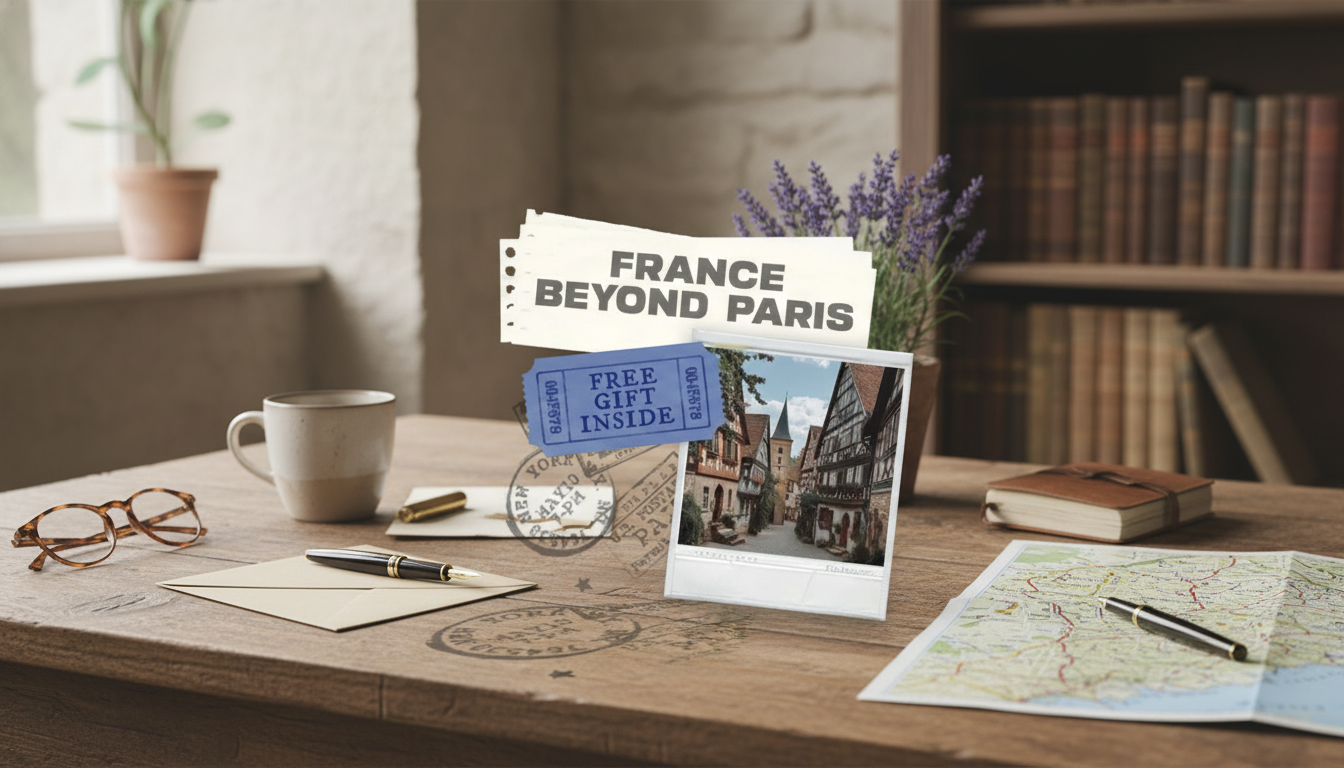
France Beyond Paris: Hidden Regions, Storybook Villages, and Scenic Routes Worth the Detour
Paris is unforgettable, but France’s most memorable moments often happen on the roads between small towns, along quiet coastlines, and in hilltop villages where lunch lasts longer than planned. This guide maps out lesser-known regions and satisfying routes—built for travelers who want atmosphere, local food, and landscapes without rushing from landmark to landmark.
What “Beyond Paris” Looks Like in Real Trip Planning
The easiest way to enjoy rural France is to plan like a local: slow down, stay put longer, and let the day unfold around meals and markets.
- Choose one home base per region (a small city or large town), then explore by day trip to limit packing and check-ins.
- Aim for 2–4 nights per region. One-night stops can look efficient on a map, but they often erase the charm of village life.
- Mix an “anchor” highlight (a coastline drive, vineyard ridge, or mountain view) with spontaneous stops (bakeries, markets, roadside viewpoints).
- Use trains for big hops (Paris to hubs like Lyon, Bordeaux, Strasbourg), then rent a car where public transport thins out. Check routes and schedules on SNCF Connect.
- Schedule meals as experiences: market mornings, long lunches, and an early-evening apéritif rhythm in many regions.
7 Regions That Deliver the France Most Visitors Miss
Alsace
Half-timbered villages, tidy vineyards, and a deep food culture make Alsace feel like a storybook you can taste. It’s ideal for a village-to-village scenic drive with plenty of time for tarte flambée, kougelhopf, and cellar tastings.
Burgundy
Burgundy shines when you stop trying to “do it all.” Think canal-side strolls, Romanesque churches, and vineyard roads that reward an unhurried pace—especially if food and wine are central to the trip.
Dordogne & Périgord
River valleys, bastide towns, medieval castles, and famous caves create a choose-your-own-adventure region that’s excellent for families and history lovers. Markets here can become the highlight of a day.
Auvergne
For big landscapes and fewer crowds, Auvergne delivers: volcanic domes, crater lakes, and thermal towns. It’s a strong pick for hikers, photographers, and travelers who want to trade queues for quiet viewpoints.
Brittany
Rugged coastline, lighthouses, and seafood harbors come with a distinct identity and traditions that feel proudly local. Beyond the headline towns, Brittany’s inland villages and coastal paths are where the region really settles in.
Provence beyond the postcard
Skip the rush of peak lavender weeks and Provence becomes calmer and more intimate. Luberon backroads, hilltop villages, olive groves, and shoulder-season light can feel like a private showing.
Occitanie (around Albi, Carcassonne, and the Pyrenees)
Occitanie blends fortified towns with countryside drives and mountain escapes. Pair a brick-red city like Albi with a Pyrenees detour for a trip that moves from culture to fresh air without feeling disjointed.
Village-Hopping Routes That Turn Transit Days into Highlights
The best “driving days” in France aren’t about distance—they’re about rhythm: short hops, one long meal, and time for small discoveries.
- Alsace Wine Route rhythm: pick 3–5 villages, keep drive times short, and trade constant tastings for one long lunch and a relaxed visit to a single cellar.
- Dordogne river loop: combine a riverside market town, one château visit, and a viewpoint stop. If caves are on your list, reserve in advance during peak weeks.
- Brittany coastal day: alternate cliffs and beaches with one harbor town. Bring a wind layer year-round; the coast loves surprises.
- Provence hill towns: start early for easier parking, then balance a village morning with a countryside afternoon (olive mills, wineries, or a short hike).
- Auvergne volcanic circuit: map a lake + viewpoint + small-town dinner. Weather changes quickly at elevation—even in summer.
Sample 10-Day “Beyond Paris” Itinerary (Balanced Pace)
| Days | Base | Day Trip Ideas | Best For |
|---|---|---|---|
| 1–3 | Strasbourg (Alsace) | Colmar, Riquewihr, Eguisheim; vineyard villages | Villages, food, scenic drives |
| 4–6 | Dijon or Beaune (Burgundy) | Canal towns, abbeys, vineyard roads | Wine culture, slow travel |
| 7–10 | Sarlat-la-Canéda (Dordogne) | Bastide towns, château loop, river viewpoints | Medieval towns, family-friendly sights |
How to Avoid Common Mistakes on Rural Routes
Seasonal Timing: When These Regions Shine
For event calendars and regional inspiration, the official France.fr tourism site is a reliable starting point.
A Ready-to-Use Guide for Exploring France Beyond Paris
- Keep routes and village lists in a digital format so you can quickly pivot when weather, parking, or a market day changes the plan.
- Choose region guidance by travel style: food-focused, outdoors, villages, coastline, or road-trip pacing.
- Use restaurant resources intentionally: the Michelin Guide can be a helpful filter when you want one memorable meal without guessing.
Helpful Picks from Our Store
- France Beyond Paris | Digital Travel eBook | Discover Hidden Regions, Villages, and Routes in France Beyond Paris Where to Go
- Boost Your AI Prompts for Better Output – Checklist for Creators, Coaches & Entrepreneurs | Easy Prompt Upgrades for Better Output | Digital Download
FAQ
How many days are enough to explore beyond Paris without rushing?
Plan for 7–14 days and stay 2–4 nights per region with one base each time. Use trains for major jumps, then add short scenic drives for village loops and viewpoints.
Is a car necessary to visit villages and scenic routes in France?
A car isn’t necessary for major cities and regional hubs, but it’s the easiest way to connect village clusters, wine routes, and rural viewpoints. Build in extra time for slower roads and parking in small towns.
Which regions are best for travelers who want quieter, less touristy France?
Auvergne is a standout for lower crowds, and parts of Dordogne outside peak summer weeks can feel calm and local. Inland Brittany and smaller Burgundy towns also reward travelers who prioritize atmosphere over checklists.












Leave a comment