AI Pet Monitoring: Track Behavior Trends for Better Care
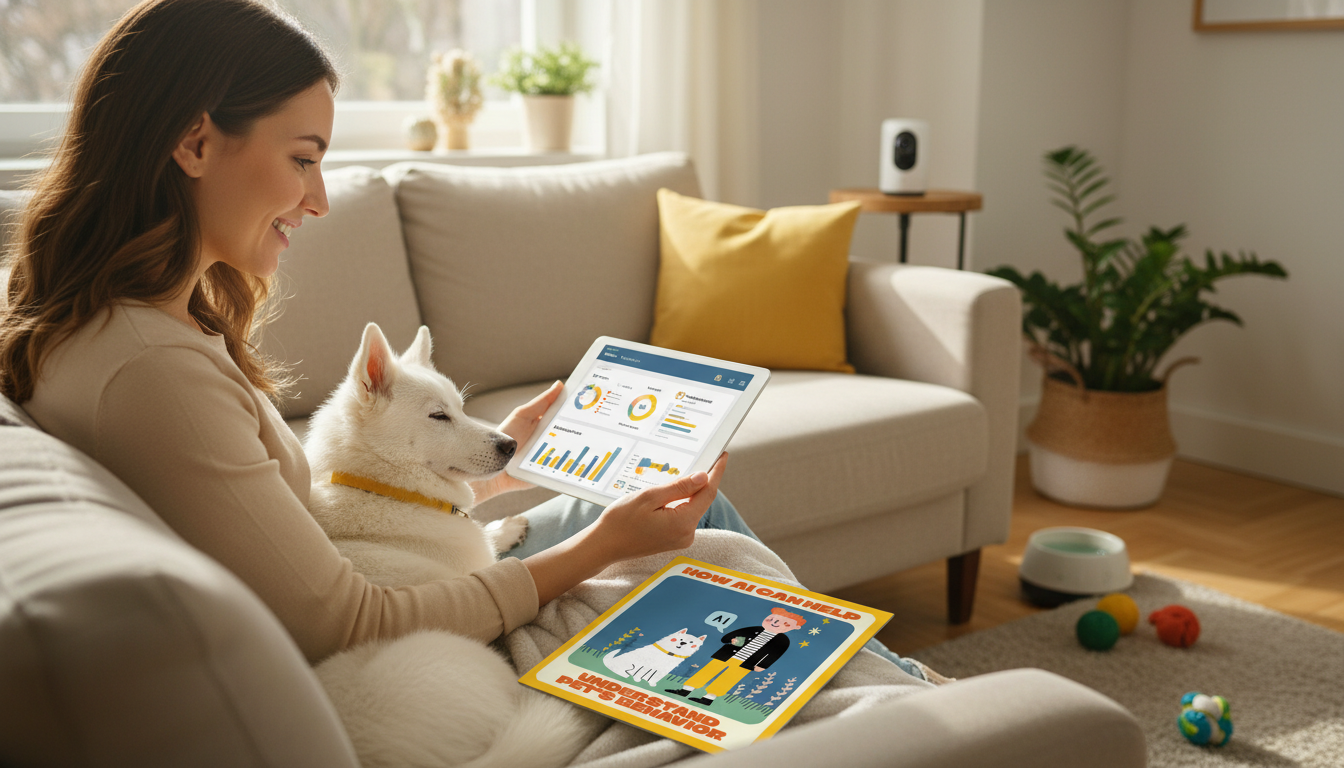
Using AI to Understand and Monitor Pet Behavior for Smarter Daily Care
Behavior changes are often the earliest clue that something is off—stress, boredom, pain, or shifts in routine. New AI-powered tools can help spot patterns in movement, vocalization, sleep, eating, and activity levels, turning day-to-day observations into clearer signals. With the right setup and expectations, AI monitoring can support calmer homes, better training consistency, and earlier conversations with a veterinarian when trends look unusual.
What AI Pet Monitoring Can (and Can’t) Tell You
AI monitoring works best as a “pattern finder.” It’s less about catching one strange moment and more about noticing when your pet’s normal rhythm shifts for long enough to matter.
- What it can do: detect trends over time in activity, rest, pacing, scratching, barking/meowing frequency, and routine deviations.
- What it can’t do: provide a medical diagnosis or replace professional evaluation when symptoms are severe or sudden.
- Baseline learning matters: the most reliable outputs come after several days to weeks of “normal” data.
- A useful way to frame alerts: AI flags “something changed” and helps narrow “when and how often,” improving the quality of notes shared with a trainer or vet.
Common AI Monitoring Signals and What to Check Next
| Signal AI may flag | Possible non-emergency causes | Simple checks at home | When to contact a vet |
|---|---|---|---|
| Lower activity than baseline | Hot weather, schedule change, minor soreness | Hydration, temperature, paw check, appetite | Lethargy with vomiting/diarrhea, collapse, or lasting >24–48 hours |
| Night restlessness | Noise anxiety, insufficient exercise, aging | Evening routine, enrichment, pain signs, bathroom schedule | Restlessness plus panting, shaking, or disorientation |
| Increased vocalization | Attention-seeking, separation stress, hunger | Feeding schedule, enrichment, departures/returns pattern | Sudden yowling/crying, pain posture, or inability to settle |
| Repeated licking/scratching | Allergies, dry skin, parasites | Flea check, grooming, diet changes, hotspot scan | Open sores, swelling, hair loss patches, or intense nonstop scratching |
| More pacing at doors/windows | Boredom, territorial triggers | Block visual triggers, add sniff walks, puzzle feeders | Pacing with appetite loss, hiding, or trembling |
Types of AI Tools Used to Track Pet Behavior
Different tools “see” different parts of your pet’s day. The best choice depends on what you want to learn and where your pet spends time.
- Smart cameras with motion and sound analysis: can detect movement patterns, vocalizations, and time spent in specific areas—helpful for pets who change behavior when home alone.
- Wearable sensors (collar tags): track activity, rest, scratching, and sometimes location; typically strongest for long-term trend tracking across many days.
- Smart feeders and litter boxes: measure eating, weight, and bathroom frequency, surfacing subtle routine changes that can be easy to miss.
- App-based journaling with AI summaries: turns notes, photos, and events into timelines and recurring-pattern highlights—especially useful if multiple family members share care duties.
- Choosing by pet profile: energetic dogs often benefit from activity and noise tracking; cats may benefit more from litter/feeding insights and nighttime routine tracking.
Setting Up Monitoring for Reliable Insights
AI monitoring is only as helpful as the routine and context behind it. A clean setup reduces “false alarms” and makes the real changes stand out.
- Start with a baseline week: avoid making major changes while the system learns what “normal” looks like.
- Place devices where behavior naturally happens: near resting spots, feeding areas, favorite windows, and typical entry points.
- Define household “normal”: work schedules, walks, feeding times, and who is home; routine context reduces confusing alerts.
- Calibrate sensitivity: too many alerts reduces trust; adjust thresholds to highlight meaningful deviations.
- Use consistent labels in logs: “alone time,” “guests,” “thunder,” “new food,” and “vet visit” help connect triggers to behavior shifts.
Smarter Training and Enrichment With AI Feedback
Once you can see patterns clearly, it’s easier to make changes that are small, repeatable, and measurable—without guessing what helped.
- Separation-related behaviors: identify the exact time window when vocalizing or pacing starts; practice shorter absences below that threshold and build duration slowly.
- Barking at triggers: correlate timestamps with street noise, delivery times, or window views; refine management (blocking views, white noise) and counterconditioning.
- Cat stress and hiding: track room usage and nighttime activity; adjust safe zones, vertical space, and predictable routines to reduce “surprise” moments.
- Enrichment optimization: compare activity and rest quality on days with sniff walks, puzzle feeders, play sessions, or short training games.
- Measure consistency: small improvements over weeks (fewer episodes, shorter duration) often matter more than day-to-day fluctuations.
Privacy, Ethics, and Practical Limits at Home
Monitoring should support care, not create anxiety or compromise privacy.
For trusted pet health and behavior references, visit the American Veterinary Medical Association (AVMA) pet owner resources, the American Animal Hospital Association (AAHA) pet health library, and the ASPCA pet care guidance.
A Simple 7-Day Plan to Begin Monitoring
Guide for Deeper Learning and Practical Examples
FAQ
Is AI pet monitoring accurate enough to trust?
It’s most trustworthy for spotting trends and deviations from your pet’s own baseline, not for interpreting a single event. Accuracy improves with consistent device placement, a stable routine during setup, and verifying alerts with your own observation.
Can AI monitoring tell if a pet is sick or in pain?
AI can flag behavior changes that may correlate with discomfort, but it can’t diagnose illness or pain. If changes are sudden or severe—trouble breathing, collapse, repeated vomiting, or extreme lethargy—contact a veterinarian right away.
What’s the best way to start using AI to track pet behavior without getting overwhelmed?
Start with a baseline week and focus on 1–2 metrics (like nighttime rest and overall activity). Reduce alert noise by adjusting sensitivity, and keep a simple log of triggers such as guests, storms, new food, or longer-than-normal alone time.
















Leave a comment