28-Piece No-Dig Metal Garden Fence: Pet Yard Barrier
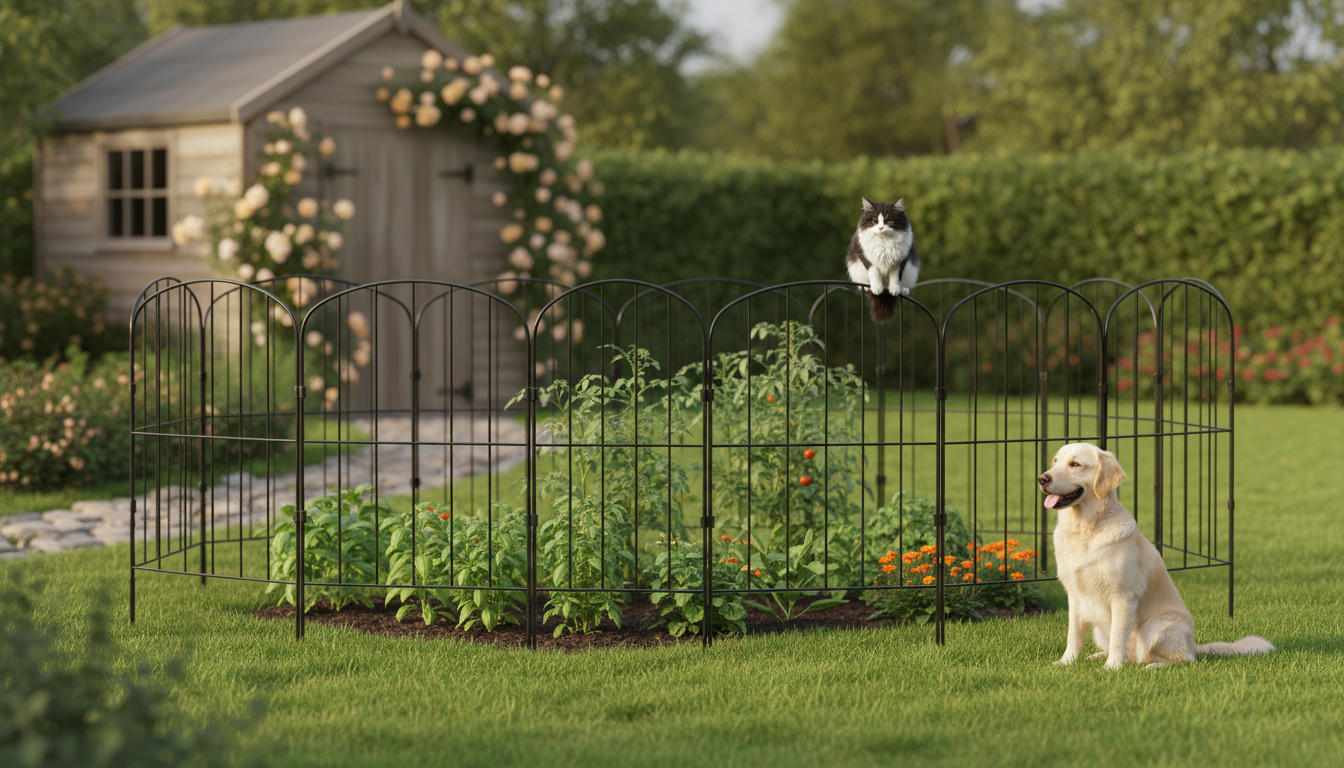
28-Piece No-Dig Metal Garden Fence for Pets and Animals: Outdoor Yard Barrier Guide
A no-dig metal garden fence creates a quick boundary to help keep pets out of flower beds, protect vegetable rows, and discourage small animals from entering sensitive areas—without pouring concrete or renting tools. A 28-panel set is especially useful for shaping a neat border that can be adjusted as your yard changes through the seasons. Below is a practical guide to what this style of barrier does best, how to plan your layout, what affects long-term durability, and how to install it safely for everyday use.
What a No-Dig Yard Barrier Is Best At
No-dig fencing is designed for simple, targeted boundary work rather than full-perimeter, high-security containment. It shines when you want fast results with minimal disruption to turf and roots.
- Defining garden edges around lawns, mulch beds, shrubs, and pathways without trenching
- Creating a visual and physical boundary to redirect pets away from digging spots and plantings
- Adding a low-profile perimeter around patios, compost areas, or play zones to reduce wandering
- Blocking common “cut-through” routes where animals repeatedly cross and compress soil
- Supplementing existing fencing at the ground line to reduce gaps where small pets squeeze through
For behavior-based challenges—like a dog that’s learned digging is fun—pairing a barrier with training and enrichment can make results more consistent. The ASPCA’s overview of digging behavior is a helpful reference for reducing the habit at the source: https://www.aspca.org/pet-care/dog-care/common-dog-behavior-issues/digging.
Quick Specs Snapshot: 28-Piece Set at a Glance
A 28-piece set is built for modular layouts—long runs along a bed, a cornered enclosure around a fresh planting, or a gentle curve that follows a pathway. Metal panels are well suited for outdoor exposure and repeated seasonal use, and the no-dig approach relies on stakes/spikes for quicker setup.
- Designed for modular layouts: line runs, corners, gentle curves, and small enclosures
- Metal construction suited for outdoor exposure and repeated seasonal use
- No-dig approach: panels install with ground stakes/spikes for faster setup
- Works as a garden border and as a pet/animal deterrent barrier in targeted zones
Planning Checklist for a 28-Panel Layout
| Task | Why it matters | Tip |
|---|---|---|
| Measure the run (feet/meters) | Prevents running out of panels mid-project | Add extra length for corners and curves |
| Mark corners and gates/paths | Keeps access points usable | Use string lines or garden hoses to visualize edges |
| Check soil type (soft, rocky, clay) | Determines installation effort and stability | Water dry soil lightly before staking |
| Identify pet behavior (jumping, pushing, digging) | Helps decide placement and reinforcement | Combine with training and blocking favorite dig spots |
| Plan seasonal maintenance | Reduces rust risk and shifting panels | Re-seat stakes after freeze/thaw cycles |
Where It Helps Most for Pets and Animals
Low-profile fencing is often used to guide movement rather than “lock down” an entire yard. It’s most effective when it blocks the exact spots that invite trouble—fresh mulch, newly planted bulbs, seedling rows, or soft soil near sprinklers.
- Dogs: protects new sod, bulbs, and garden beds from paw traffic and digging
- Cats: helps reduce access to seedlings and mulched areas used for scratching
- Rabbits and small wildlife: discourages entry into low garden zones (best when paired with sound planting and cleanup habits)
- Backyard poultry or small pets (supervised areas): provides a neat boundary line for designated zones
- High-traffic yards: forms a tidy edge that guides movement and reduces plant damage
If you’re dealing with recurring wildlife visits, reducing food attractants and tightening up habitat “invites” can be just as important as barriers. USDA APHIS offers practical guidance for living with wildlife: https://www.aphis.usda.gov/living-with-wildlife.
Installation Overview (No Heavy Tools Required)
Most no-dig metal panels are designed for straightforward installation with basic yard prep and a little patience. A careful layout step up front usually saves time later.
- Layout first: place panels on the ground to confirm spacing, corners, and curves before staking
- Stake gradually: insert stakes/spikes partway, align panels, then fully seat them for a straighter line
- Stabilize corners: corners take the most force from pets and foot traffic; ensure stakes are fully seated and panels are snug
- Handle uneven ground: step panels up/down in small increments rather than forcing one long straight run
- Safety check: keep sharp ends covered/fully embedded and confirm no protruding edges near play areas
Durability and Weather Considerations
Placement Tips That Improve Results
Product Options Available Now
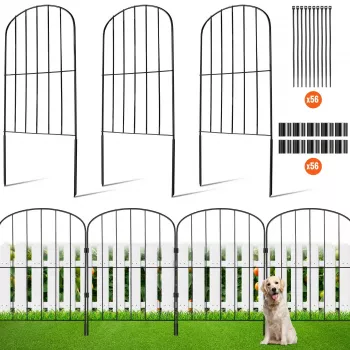
- 28pcs No Dig Garden Fence for Pets and Animals, Metal Outdoor Yard Barrier: a modular set suited for outlining garden beds and creating quick yard boundaries.
- Double-Layer Foldable Pet Stroller with Portable Carrier for Dogs and Cats: a convenient option for outings when you want to limit a pet’s access to sensitive lawn or garden zones during recovery, training, or busy weekends.
FAQ
Will a no-dig garden fence stop a dog from digging?
It can reduce access and redirect your dog away from favorite digging spots, especially when the bottom edge sits tight to the soil. Determined diggers may still need reinforcement (deeper seating, blocking the most targeted area) plus training and an approved digging alternative.
How do panels stay stable in soft or sandy soil?
Seat the stakes fully, reinforce corners, and re-check after heavy rain. Lightly watering dry sand before staking and gently compacting around the stakes can improve grip and reduce leaning.
Can this type of fence be used around vegetable gardens?
Yes—these panels work well as a low border to protect beds from paw traffic and casual wildlife browsing. Leave enough space for plant growth and plan easy access points for watering and harvesting.















Leave a comment