1-Person Infrared Hemlock Sauna Room: Setup & Routine
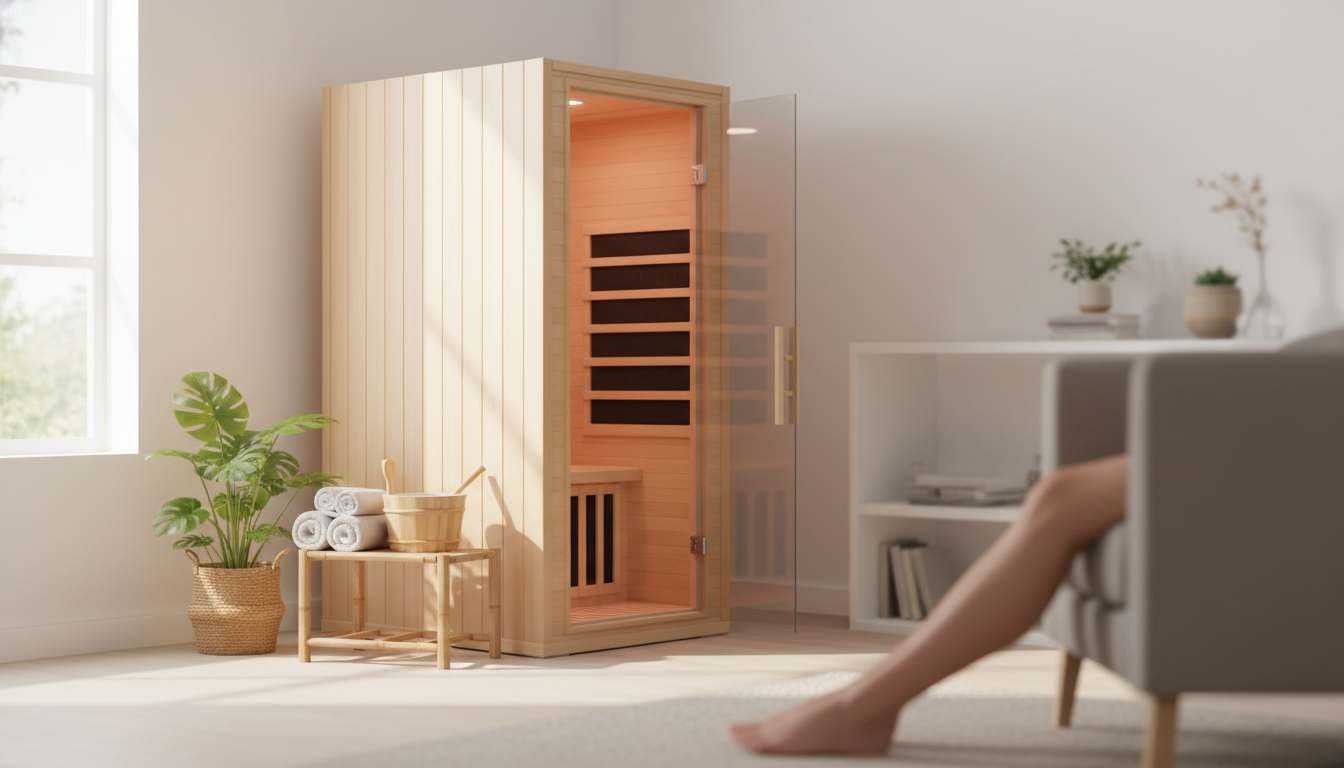
Infrared Heat in a One-Person Sauna Room: What It’s Designed to Do
A one-person infrared sauna room is built for focused, repeatable heat sessions without the footprint (or prep time) of a traditional sauna. Infrared panels warm the body through radiant heat, which many people find comfortable at lower cabin temperatures than steam or hot-stone styles. That can make it easier to fit short sessions into real life—before bed, after a workout, or on a recovery day—without turning the routine into a major event.
Because the space is compact, heat stays contained and the environment tends to feel more “personal”: you can dial in your posture, breathing, and timing without distractions. Consistency matters most. A manageable schedule, solid hydration, a few minutes for cooldown, and a comfortable seated position typically do more for day-to-day comfort than pushing intensity.
Why Hemlock Is Commonly Used for Infrared Sauna Cabins
Hemlock is a popular wood choice for indoor sauna cabins due to its stability and clean, light appearance. In a home setting—especially bedrooms, home gyms, or finished basements—hemlock blends easily with modern interiors and doesn’t visually dominate the room the way darker woods sometimes can.
Comfort-wise, quality hemlock construction usually provides smooth seating and backrest surfaces, with a subtle wood presence that feels natural rather than overpowering. Like any sauna cabin, it performs best with simple, consistent care: wipe sweat after use, keep the cabin dry between sessions, and skip harsh cleaners that can degrade or discolor the wood.
Hemlock cabin care checklist
| Task | How often | Quick method |
|---|---|---|
| Wipe bench and backrests | After each session | Use a soft cloth; optionally dampen with water; dry completely |
| Vent/air out the cabin | After each session | Leave the door open 10–20 minutes to release heat and moisture |
| Inspect floor/bench for sweat marks | Weekly | Spot-clean with mild soap solution; avoid soaking the wood |
| Check fasteners and seals | Monthly | Tighten if needed; ensure door closes evenly |
How Infrared Sessions Typically Feel (and How to Build a Routine)
Most sessions have three phases. First is the warm-up: a gentle rise in heat where it helps to settle into relaxed breathing and an easy posture with shoulders down and jaw unclenched. Next is the core phase, when warmth feels steady and sweating increases. Many people prefer 15–30 minutes depending on tolerance and any guidance from a clinician. Finally comes cooldown: step out slowly, sit for a few minutes, and rehydrate before showering.
If you’re new to heat therapy, start shorter and cooler, then build gradually over 1–2 weeks. Small comfort upgrades can make the routine effortless: a towel on the bench, water within reach, a simple timer, and a robe or warm layer for the few minutes after you step out.
For balanced expectations and safety considerations, it can help to review guidance from clinical sources like Mayo Clinic and Cleveland Clinic, especially if you’re managing a health condition or adjusting to regular heat exposure.
Placement and Setup in a Home
One of the advantages of a single-person sauna room is flexibility: a bedroom corner, a home gym nook, or a finished basement can work well when the floor is level and you have enough clearance for safe entry/exit and a full door swing. Plan for airflow around the unit and keep towels and water nearby so the habit stays easy to maintain.
Electrical setup is just as important as floor space. Use a dedicated outlet that matches the manufacturer’s requirements, and avoid daisy-chained power strips. Also keep the unit away from splash zones—showers, tubs, and wet floors—unless the space is specifically designed for electrical safety.
Finally, think about delivery: compact doesn’t always mean “fits anywhere.” Measure doorways, hallway turns, stairwells, and landings so the panels can reach the final spot without damage.
Pre-install measurement checklist
| What to measure | Why it matters |
|---|---|
| Doorway width/height | Ensures panels can be carried inside without damage |
| Hallway turns and stairwells | Avoids getting stuck on corners or landings |
| Final placement footprint | Confirms the cabin fits with safe clearance |
| Outlet distance | Reduces need for extension cords and cable strain |
Safety and Comfort Considerations
Product Spotlight: Infrared Hemlock Home Sauna Room for 1 Person
If the goal is a private, at-home infrared routine that’s easy to repeat, the Infrared Hemlock Home Sauna Room for 1 Person is designed for compact convenience. It’s a single-user cabin option that fits well in homes where space efficiency matters and where “short, consistent sessions” are more realistic than occasional spa-length visits.
At-a-glance details
| Item | Detail |
|---|---|
| Product | Infrared Hemlock Home Sauna Room for 1 Person |
| Price | $4152.65 USD |
| Availability | In stock |
| Best for | Single-user daily heat routine in limited space |
Getting the Most Out of a Small Sauna Room
More In-Stock Picks
- Returning to Work After Motherhood: Your Ultimate Guide for Stay-at-Home Moms
- Boost Your AI Prompts for Better Output – Checklist for Creators, Coaches & Entrepreneurs
FAQ
How long should a beginner stay in an infrared sauna?
Start with shorter sessions around 10–15 minutes, then increase gradually as your heat tolerance improves. Hydrate before and after, take a calm cooldown, and stop the session if you feel lightheaded, nauseated, or unwell.
Does a one-person infrared sauna need special electrical wiring?
It depends on the manufacturer’s voltage and amperage requirements. Use a properly rated outlet, avoid power strips, and consult an electrician if you’re unsure your current circuit can safely support the sauna.
How do you keep a hemlock sauna cabin clean without damaging the wood?
Use towel barriers and wipe sweat from benches and backrests after each session, then let the cabin dry fully with the door open. Stick to mild cleaners when needed, and avoid soaking the wood or using harsh chemicals that can degrade the finish.
















Leave a comment