Air Compression Leg Massager: Foot to Thigh Relief
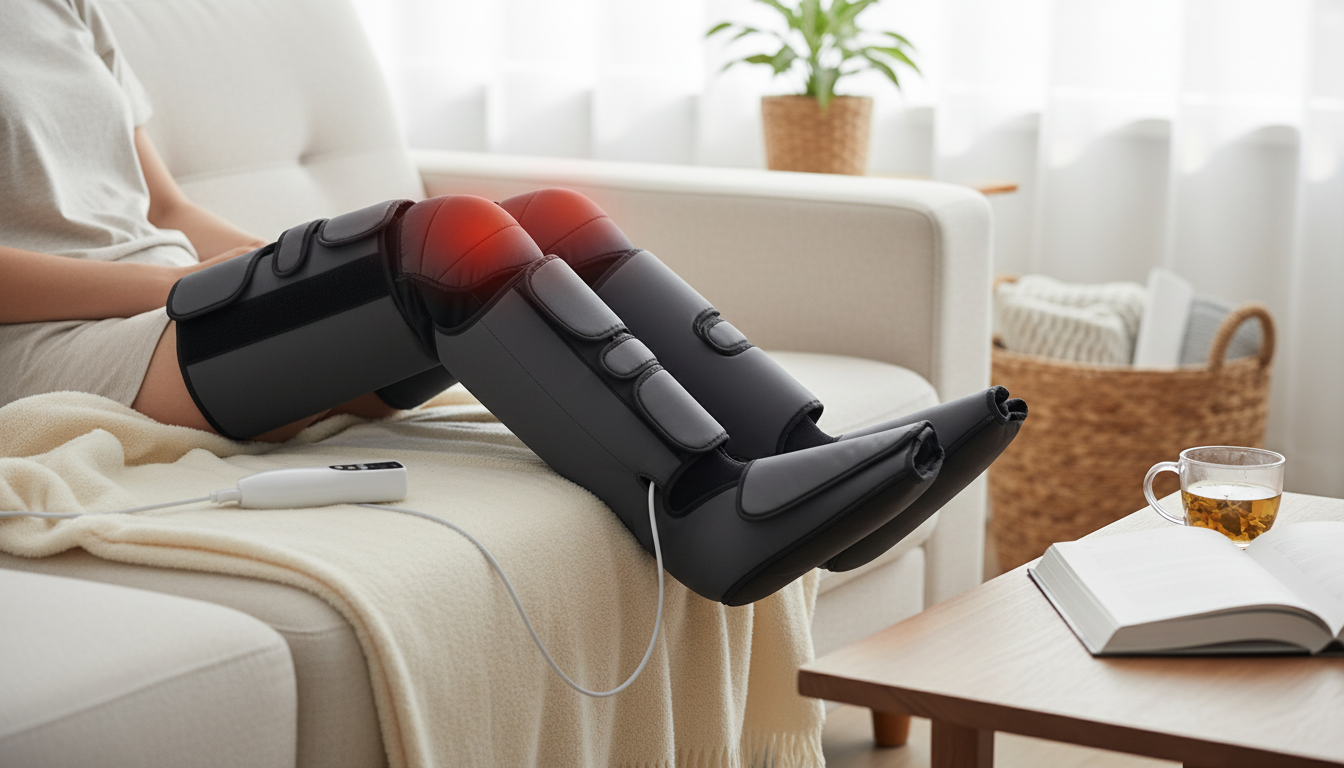
Air Compression Leg Massager for Foot, Calf, Thigh & Knee Pain Relief
Daily standing, long sitting, workouts, and travel can leave legs feeling heavy, tight, or achy from the feet up through the calves, thighs, and around the knee. An air compression leg massager uses inflatable chambers to apply rhythmic pressure that can support comfort, promote a relaxed feeling, and help unwind after activity—without needing hands-on massage.
What it is and what it’s designed to help with
An air compression leg massager is made of air-powered sleeves that wrap around the lower body and inflate/deflate in cycles. Many people use it to target common discomfort zones: foot/ankle tightness, calf fatigue, thigh soreness, and stiffness sensations around the knee area.
- Useful for recovery routines, end-of-day decompression, and periods of limited movement (desk work, flights, long drives).
- Designed for comfort and supportive use—rather than medical treatment for underlying conditions.
For general background on compression, the Cleveland Clinic provides a helpful overview of compression therapy and why it’s used in different settings.
How air compression massage works
During a session, inflation gently squeezes tissues, followed by deflation that releases pressure. The repeating cycle often feels like a wave moving along the leg, especially on sequential modes that travel from lower to upper.
- Sequential patterns can mimic a “from lower to upper” massage sensation that many people find relaxing after exertion.
- Adjustable intensity helps match sensitivity levels—lighter pressure for tenderness, stronger pressure for tight muscles (within comfort).
- Consistent, short sessions often feel better than occasional long, high-intensity sessions.
Comfort benefits by area: foot, calf, thigh, and knee
Foot and ankle
Compression at the foot/ankle can ease that “compressed” feeling after walking, standing, or wearing tight footwear. It’s often most satisfying at the end of the day when feet feel overworked.
Calf
Calves are a common hotspot after workouts, runs, or hours on your feet. Rhythmic pressure can help calves feel less heavy and more settled—especially when paired with a light stretch and hydration.
Thigh
Thigh fatigue can show up after stairs, cycling, strength training, or prolonged sitting. Air compression can support overall leg relaxation by giving tired muscles a steady, even squeeze-and-release pattern.
Knee area
When the area around the knee feels stiff, gentle compression may help by relaxing surrounding tissues. Avoid direct painful pressure on acute injury sites, and don’t “crank up” intensity to push through sharp discomfort.
If swelling is a concern, it’s worth reviewing common causes and when to seek care. Mayo Clinic’s overview of edema (swelling) is a practical reference.
A simple routine that fits busy days (variation: desk-to-recovery flow)
Compression massage is easiest to stick with when it’s treated like a short reset rather than a big event. These quick routines can slide into a normal day without taking over the schedule.
- After long sitting: use a gentle setting for 10–15 minutes to unwind and reset before evening activities.
- After workouts: use a moderate setting for 15–20 minutes, focusing on calves and thighs to support a relaxed recovery feel.
- After long standing: start low intensity for 5 minutes, then increase slightly if comfortable; keep the focus on calves/feet.
- Before bed: shorter, lighter sessions can be calming; avoid very high pressure late at night if it feels too stimulating.
Sample session guide
| Goal | Intensity (feel-based) | Time | Best focus areas |
|---|---|---|---|
| End-of-day heaviness | Low to medium | 10–15 min | Foot/ankle + calf |
| Post-workout tightness | Medium | 15–20 min | Calf + thigh |
| Travel/desk stiffness | Low | 10 min | Calf (then thigh if desired) |
| Gentle wind-down | Low | 8–12 min | Calf or full leg (light) |
Choosing the right settings for comfort
- Start low: the first session should feel comfortably snug, never numb or sharply painful.
- Use gradual increases: step up intensity only if circulation and sensation remain normal.
- Prioritize consistent cycles: steady compression patterns often feel more comfortable than constantly changing modes.
- Match mode to sensitivity: lighter patterns for tender areas; moderate pressure for muscular fatigue.
Fit, sizing, and setup tips that make a big difference
Safety notes and when to check with a clinician
For clot-related risk awareness, MedlinePlus has a clear overview of deep vein thrombosis (DVT), including symptoms that warrant urgent medical attention.
Care and maintenance for reliable performance
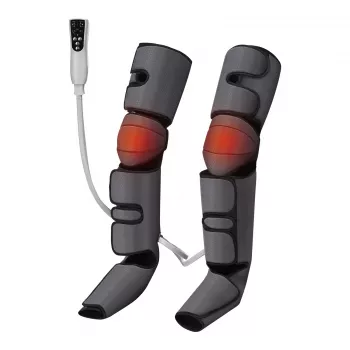
Product spotlight: Air Compression Leg Massager for Foot, Calf, Thigh & Knee Pain Relief
If a single, repeatable routine sounds more realistic than piecing together multiple tools, Air Compression Leg Massager for Foot, Calf, Thigh & Knee Pain Relief is designed to cover multiple areas in one session—supporting foot-to-thigh relaxation and knee-area comfort. It’s a practical option for home use after standing, workouts, or extended sitting when hands-on massage isn’t available.
For a couple of additional in-store options that may fit a busy lifestyle beyond recovery routines, consider Returning to Work After Motherhood: Your Ultimate Guide for Stay-at-Home Moms and Boost Your AI Prompts for Better Output – Checklist for Creators, Coaches & Entrepreneurs.
FAQ
How long should a compression massage session last?
Typical comfort sessions run 10–20 minutes. Start at 10 minutes on low intensity, then adjust based on how your legs feel during and after.
Can it be used every day?
Daily use is common for relaxation and recovery as long as pressure stays comfortable and there are no unusual symptoms. Take breaks if soreness or sensitivity increases.
Who should avoid using an air compression leg massager?
People with a history of blood clots, severe circulation issues, unexplained swelling, or recent leg surgery should ask a clinician first. Stop use if numbness, sharp pain, or discoloration occurs.















Leave a comment