AI-Guided Meditation Tips: Personalize Calm in Minutes
AI-Guided Meditation Tips: A Digital Guide for Mindful Beginners and Creators
AI-guided meditation can make mindfulness feel simpler to start and easier to sustain—especially when sessions are tailored to mood, time, and environment. Instead of wondering what to do each day, you can generate a clear structure, choose an attention anchor, and follow a calm pace that fits real life. Below are practical ways to use AI to shape soothing sessions, reduce decision fatigue, and build consistency, plus workflow ideas for creators who want fresh, structured scripts without losing quality.
What AI-guided meditation is (and what it isn’t)
AI-guided meditation is a guided session shaped by your inputs—such as your goal (calm, focus, sleep), the time you have, and sensory preferences like silence, soft music, or nature sounds. The best results come from using it as a smart “session planner” that helps you begin quickly and repeat a format often enough to feel familiar.
It’s especially helpful for beginners who want step-by-step structure and for creators who want consistent templates with easy variations. It isn’t a replacement for clinical care; persistent anxiety, depression, trauma symptoms, or ongoing sleep problems can require professional support. Think of it as a companion: a way to generate session structures, wording options, and gentle reminders you can return to anytime.
For general background on mindfulness and stress, see the American Psychological Association overview and the Mayo Clinic’s guide to meditation.
How to personalize a session: the 6 inputs that matter most
Personalization doesn’t need to be complicated. A few consistent inputs can make a session feel “made for you” while staying repeatable enough to become a habit.
- Time box: 2, 5, 10, or 20 minutes. Short sessions build consistency faster than occasional long ones.
- Intention: Calm down, sharpen focus, fall asleep, reset after stress, or reconnect with body sensations.
- Body position: Seated, lying down, or walking. Matching position to goal improves follow-through.
- Attention anchor: Breath, sound, body scan, visualization, or mantra-style repetition.
- Tone and pacing: Gentle, direct, minimal words, or story-like. Faster pacing can help restlessness; slower pacing supports wind-down.
- Environment: Commute, desk break, bedtime, outdoors—include cues that fit the setting (like eyes open for walking or commuting).
Quick-start session formats for beginners
If starting feels intimidating, use a “default” format and repeat it for a week. Familiarity reduces friction.
- 2-minute reset: One deep breath, soften jaw/shoulders, name one feeling, then return to breathing for six easy cycles.
- 5-minute body scan: Forehead → jaw → shoulders → chest → belly → hips → legs, relaxing one region per breath.
- 10-minute focus practice: Count breaths 1–10; restart gently when distracted; end by noticing one sound and one physical sensation.
- Bedtime wind-down: Exhale longer than inhale, relax face muscles, soften eyes, let thoughts pass without solving them.
- Walking mindfulness: Feel heel-to-toe steps, keep gaze soft, label distractions as “thinking,” return to movement.
A simple personalization matrix (choose one from each column)
Pick one option per column to build a complete session in under a minute. Keep the first week repetitive; change only one variable at a time (for example, keep the same anchor but adjust the duration). Creators can use the same matrix by swapping tone and imagery while preserving the underlying structure.
| Goal | Duration | Anchor | Tone | Closing line |
|---|---|---|---|---|
| Calm | 5 min | Breath (counting) | Gentle | “Carry this steadiness into the next step.” |
| Focus | 10 min | Sound (noting) | Direct | “Return to one task with one breath.” |
| Sleep | 10–15 min | Body scan | Slow | “Nothing to fix tonight—only rest.” |
| Stress reset | 2–3 min | Exhale emphasis | Minimal words | “Exhale, release, continue.” |
| Creativity | 5–10 min | Visualization | Story-like | “Let one idea arrive without effort.” |
Tips that prevent common beginner roadblocks
- Restlessness: Start with eyes open, shorten the session, or use walking mindfulness instead of forcing stillness.
- Racing thoughts: Label them (“planning,” “remembering”) and return to the anchor without arguing with your mind.
- Sleepiness (non-bedtime): Sit upright, brighten the room, and choose a more alert anchor like sound noting.
- Inconsistency: Attach meditation to an existing habit (after brushing teeth, before opening email).
- Over-optimizing: Avoid changing multiple variables each day; consistency beats complexity.
Creator-focused ideas: generating many sessions without losing quality
Using a digital guide to stay consistent and track progress
Safety and boundaries for a supportive practice
A ready-to-use digital companion for mindful beginners and creators
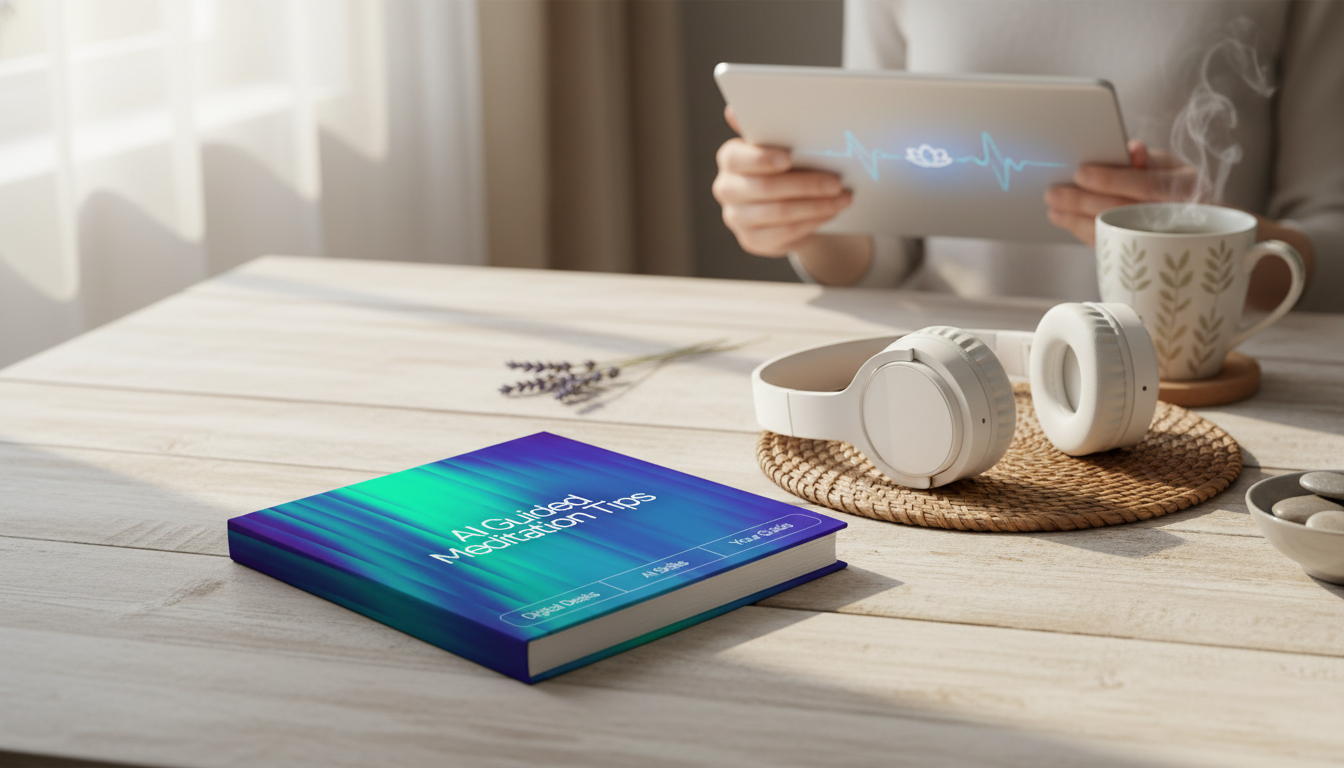
A structured digital guide can reduce daily decision-making by offering session templates, personalization ideas, and a repeatable flow. For a practical, step-by-step companion, explore the AI Guided Meditation Tips digital guide, designed to help beginners start smoothly while giving creators clear formats to adapt across themes and durations.
If you also build wellness content and want cleaner, more consistent outputs from your tools, the AI output upgrade checklist for creators can help tighten structure, simplify language, and keep sessions listener-friendly.
FAQ
How long should an AI-guided meditation be for a beginner?
Start with 2–5 minutes daily for the first week, then scale to 10 minutes once it feels routine. Pick one anchor (like breath counting) and keep it consistent so the habit forms faster.
What should be included in a personalized guided session?
A solid session includes an arrival cue, a clear anchor, a simple way to handle distractions, an optional expansion into wider awareness, and a closing intention. Personalization works best when you set inputs like goal, duration, tone, and environment.
Is AI-guided meditation safe for anxiety or stress?
For everyday stress, many people find gentle, grounding practices supportive, especially when the guidance is calm and optional. If symptoms are persistent, severe, or connected to trauma or sleep disruption, professional support is recommended; switch to grounding techniques if distress increases.















Leave a comment