7L Smart Sensor Trash Can: Stainless, Touch-Free, 3-in-1
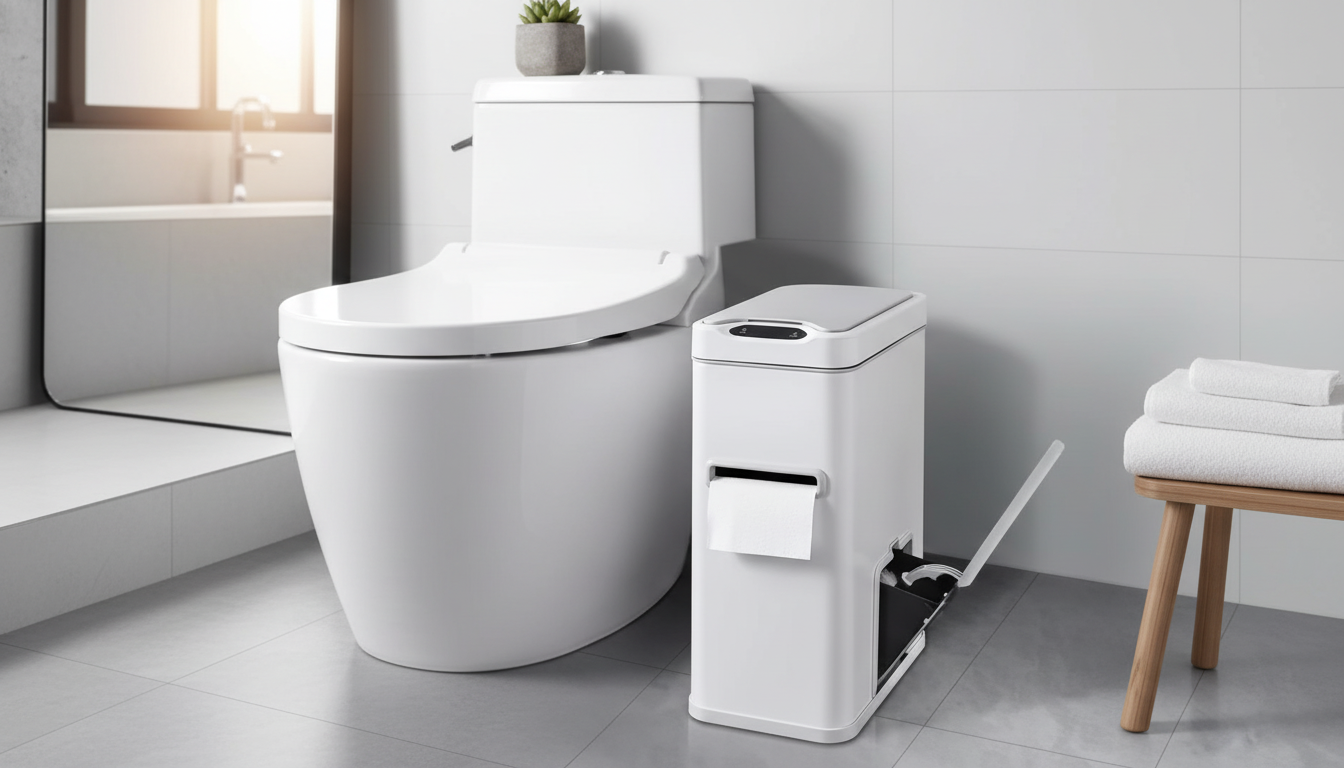
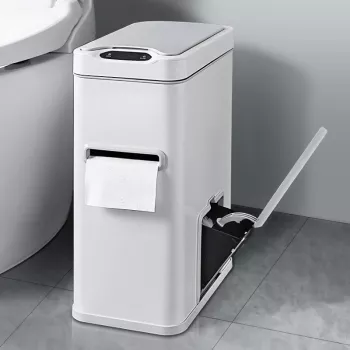
7L Stainless Steel Smart Sensor Trash Can with 3-in-1 Function: Clean, Compact, and Touch-Free
A compact, touch-free trash can can make daily cleanup faster and more hygienic—especially in kitchens, bathrooms, offices, dorms, and other small spaces. This guide breaks down what the 7L stainless steel smart sensor trash can’s 3-in-1 function is designed to do, how it fits into real routines, and what to look for when deciding if it’s the right size and style for the room.
What “smart sensor” means for everyday disposal
A smart sensor trash can is built around one simple benefit: opening the lid without touching it. That matters most when hands are wet, messy, or full—like when peeling produce, clearing plates, or tossing tissues during a bathroom routine. Instead of transferring residue to the lid (and then back to clean hands later), motion sensing helps keep contact points to a minimum.
In day-to-day use, the best sensor lids feel predictable. A consistent detection range helps prevent the “wave twice” problem, while a reasonable close delay keeps the lid from shutting too fast when you’re still disposing of items. In small rooms, it’s also worth considering nuisance openings: if the trash can sits near a sink, toilet, or hallway edge, nearby movement can repeatedly trigger the sensor unless the lid timing and detection area are well-tuned.
Sound and smoothness also count. A quieter, steadier lid mechanism is a better fit for bedrooms, nurseries, or workspaces where a loud motor or abrupt lid snap becomes distracting.
Why stainless steel is a practical finish in small spaces
Stainless steel is a popular choice for compact rooms because it generally holds up well in humid environments like bathrooms, laundry rooms, and kitchens. It resists rust better than many coated metals, and the non-porous surface is typically easier to wipe down than textured plastic that can trap grime around scuffs and scratches.
Fingerprints do happen, especially on brushed finishes, but they’re usually manageable with a quick wipe using a soft cloth. Another underrated benefit is stability: a metal body often feels more planted than ultra-light plastic bins, which is helpful when a motorized lid opens and closes throughout the day.
Visually, stainless steel blends easily with modern appliances, chrome fixtures, and neutral decor. If the trash can will sit in plain view (guest bath, office corner, beside a vanity), that “matches everything” look can reduce visual clutter in tight quarters.
Understanding the 7L size: where it works best
At 7 liters, this is a small-capacity trash can designed for low-to-moderate daily waste: tissues, cotton pads, floss picks, coffee pods, snack wrappers, craft scraps, and office odds and ends. The biggest advantage is footprint. A 7L can slips into corners where a tall kitchen bin would feel bulky—beside a vanity, next to a desk, near a coffee station, or tucked into a dorm layout where every inch counts.
For most households, 7L isn’t a realistic “only trash can” for a busy kitchen. It shines as a secondary bin—keeping prep scraps or quick disposals close to the action—while the primary kitchen can handles bulk packaging and daily volume.
7L placement ideas and typical use
| Location | What goes in it | Why the size helps |
|---|---|---|
| Bathroom | tissues, cotton pads, packaging | fits beside the toilet/vanity without crowding |
| Home office | paper scraps, wrappers | reduces trips to the main bin |
| Bedroom/nursery | light waste, wipes packaging | quiet, touch-free use during rest hours |
| Kitchen (secondary) | prep scraps, small wrappers | keeps mess contained near the work area |
What a “3-in-1 function” can do in real routines
Odor control and liner fit: the details that decide satisfaction
For general hygiene guidance in shared or high-touch areas, the CDC’s cleaning and disinfecting recommendations can help shape a routine that’s realistic and consistent: CDC: Cleaning and Disinfecting Your Facility.
Cleaning and maintenance for a sensor lid
Where this type of trash can shines (and where it doesn’t)
For items that should never go into a standard household trash can—like certain chemicals, batteries, or electronics—follow local rules and disposal guidance such as the EPA’s overview of household hazardous waste: U.S. EPA: Household Hazardous Waste (proper disposal basics).
Quick checklist before buying
In-stock picks to consider
- 7L Stainless Steel Smart Sensor Trash Can with 3-in-1 Function — a compact, touch-free option for bathrooms, offices, dorms, and secondary kitchen use.
- Returning to Work After Motherhood: Your Ultimate Guide for Stay-at-Home Moms — a helpful resource for building routines and simplifying daily logistics when schedules change.
FAQ
Is a 7L sensor trash can big enough for a kitchen?
For most homes, 7L is best as a secondary kitchen bin (prep area, coffee station, or quick wrappers) rather than the main household trash can. If it will be your primary kitchen can, a larger capacity usually fits daily volume better.
How should a stainless steel sensor trash can be cleaned without damaging the lid?
Use a soft cloth to wipe the stainless exterior and avoid abrasive scrubbers. Don’t spray cleaner into the lid seam; apply cleaner to the cloth first, and keep the sensor window clean so detection stays reliable.
What can cause a sensor lid to open unexpectedly?
Unexpected openings can come from high sensitivity, placement in a narrow walkway, reflective surfaces, pets, or debris on the sensor area. Repositioning the bin and gently cleaning the sensor window often reduces false triggers.














Leave a comment