Furla Women’s Black Leather Slippers: Fit, Style & Care
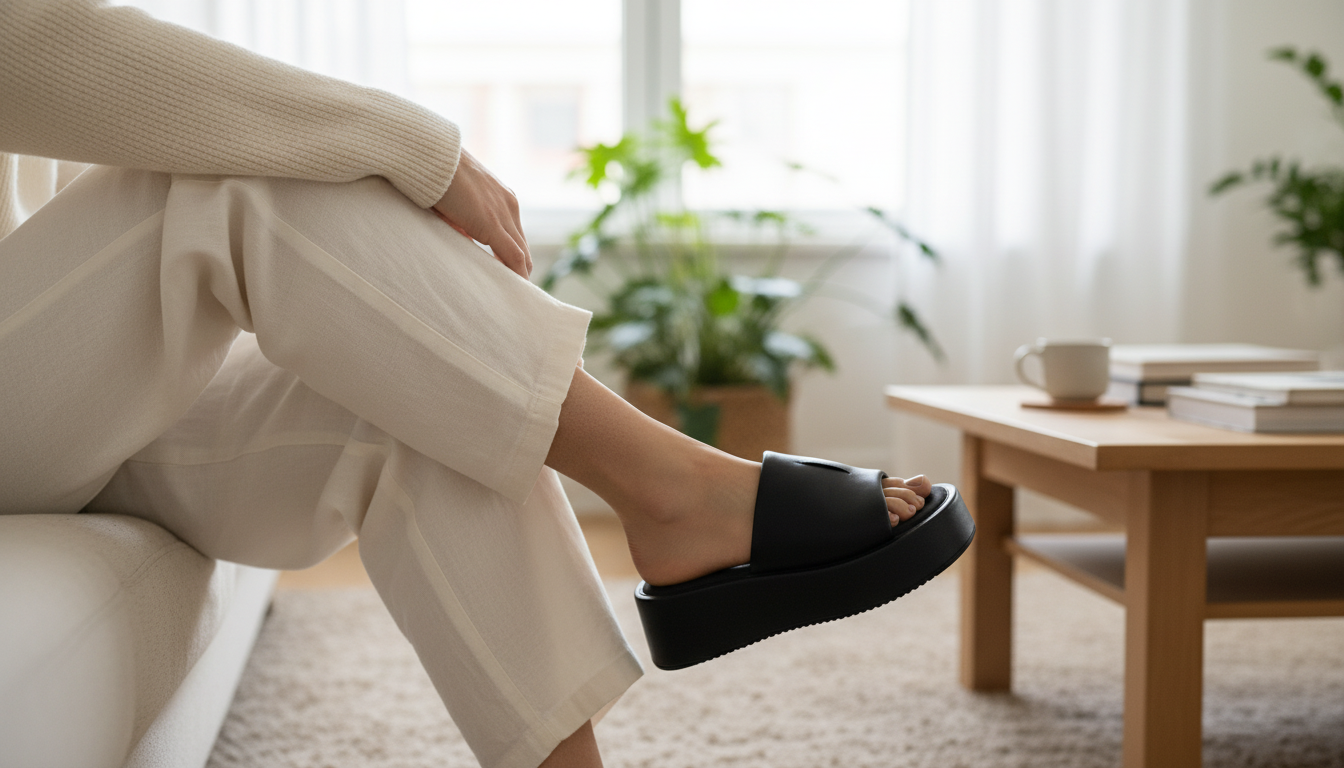
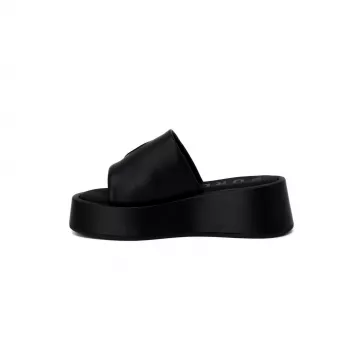
Furla Women’s Black Leather Slippers
Polished enough for errands and sleek enough for travel days, black leather slippers bring an elevated finish to an easy, slip-on silhouette. Furla’s approach focuses on clean lines, premium leather, and a refined look that pairs well with both casual and tailored wardrobes. The result is a shoe that reads more “loafer-inspired flat” than “at-home slipper,” making it a smart choice for anyone who wants comfort without sacrificing a crisp, pulled-together appearance.
What Stands Out at a Glance
- Sleek black leather upper for a minimalist, dressed-up look
- Slip-on design for quick wear at home, office commutes, and travel
- A versatile neutral that pairs easily with denim, knits, and workwear staples
- Best suited for shoppers wanting a refined slipper that looks like a loafer-inspired flat
Materials and Build Quality
Leather slippers tend to look better the more they’re worn—up to a point. Genuine leather usually softens and becomes more flexible with use, which can improve comfort and make the shoe feel more personalized. A brief break-in period is common, especially if the vamp (the top portion over the forefoot) is structured enough to hold its shape.
- Leather uppers typically soften with wear; a short break-in period is common
- Seams and edging are the first places wear shows—look for even stitching and smooth finishing
- A structured vamp helps keep the slipper looking sharp rather than collapsing over time
- If used for light outdoor steps, a durable outsole matters more than ultra-soft indoor soles
If longevity is the goal, it helps to buy with a quick “inspection mindset”: smooth edge paint, tidy seam alignment, and a cleanly finished topline (the opening around your foot) tend to translate to a slipper that keeps its refined look longer.
Comfort, Fit, and Everyday Wear
Slip-ons live or die by fit. A pair that’s slightly too loose can feel great for five minutes and then become a rubbing, unstable ride for the rest of the day. The ideal fit holds the heel securely while leaving enough room across the forefoot for natural movement.
- Slip-ons should hold the heel securely; too-loose fits tend to cause rubbing and instability
- If feet are between sizes, consider how socks or hosiery will be worn (barefoot vs. thin socks)
- Look for a footbed that balances flexibility with support—especially for longer walks
- For wider feet, leather can accommodate over time, but initial tightness across the forefoot should not be painful
For travel days, slip-on convenience is a real advantage: quick airport security, easy on/off during long flights, and no laces to adjust. For comfort, pay attention to the heel cup feel—if your heel lifts dramatically as you walk, sizing down (or adding a thin insole/heel grip) can make the difference between “easy” and “annoying.” For general fit and foot comfort considerations, it’s also helpful to review shoe-wearing guidance from the American Academy of Dermatology Association.
Style Pairings: From Casual to Polished
Black leather slippers earn their keep because they bridge outfits that would otherwise call for two different shoes. Their streamlined profile can look intentional with denim, yet still feel appropriate with tailored separates.
- Weekend: straight-leg jeans, white tee, and a structured tote for a clean, modern look
- Work-ready casual: ankle trousers and a fine knit; black leather slippers keep the outfit streamlined
- Travel: wide-leg pants or leggings with a long coat—easy to slip on/off at airports
- Warm weather: midi skirts and sleeveless tops; black leather anchors bright or patterned outfits
Quick Reference: Specs and Care Checklist
| Item to Check | Why It Matters | What to Do |
|---|---|---|
| Upper material (leather) | Affects longevity, break-in, and overall look | Wipe with a soft cloth; condition lightly as needed |
| Fit at heel and instep | Prevents slipping and rubbing | Choose a secure fit; use heel grips if needed |
| Outsole type | Determines indoor vs. outdoor suitability | Avoid wet pavement; wipe outsole after outdoor use |
| Creasing and scuffing | Normal on leather but can look worn if unmanaged | Use a neutral cream polish and buff gently |
| Storage | Maintains shape and finish | Store away from heat/sun; add shoe trees or tissue |
Leather Care and Longevity Tips
For shoppers who care about responsible leather sourcing, it may be useful to learn about the standards and auditing approach behind the Leather Working Group. For brand-specific material and collection details, visit the Furla Official Website.
When to Choose Black Leather Slippers
Product Option Available Now
- Furla Women’s Black Leather Slippers: a refined slip-on option in black leather, suitable for everyday wear and easy styling. Check the product page for the most current price, availability, and any sizing guidance provided by the retailer.
More In-Stock Finds
- Returning to Work After Motherhood: Your Ultimate Guide for Stay-at-Home Moms
- Double-Layer Foldable Pet Stroller with Portable Carrier for Dogs and Cats
- Boost Your AI Prompts for Better Output – Checklist for Creators, Coaches & Entrepreneurs | Easy Prompt Upgrades for Better Output | Digital Download
FAQ
Do leather slippers stretch over time?
Leather typically softens and relaxes with wear, which can feel like mild stretching, but it’s usually limited. Aim for a secure heel fit, and avoid sizing down so much that the forefoot feels painful or numb.
Can leather slippers be worn outside?
Yes, for light outdoor wear in dry conditions, especially if the outsole is durable enough for pavement. Avoid wet surfaces when possible, and wipe the outsole and upper after outside use to keep the leather looking clean.
How should black leather slippers be cleaned and maintained?
Dust regularly with a dry cloth, and use a slightly damp cloth for light marks, then air-dry away from heat. Condition occasionally to prevent dryness, and use a neutral cream polish to minimize the look of scuffs.














Leave a comment