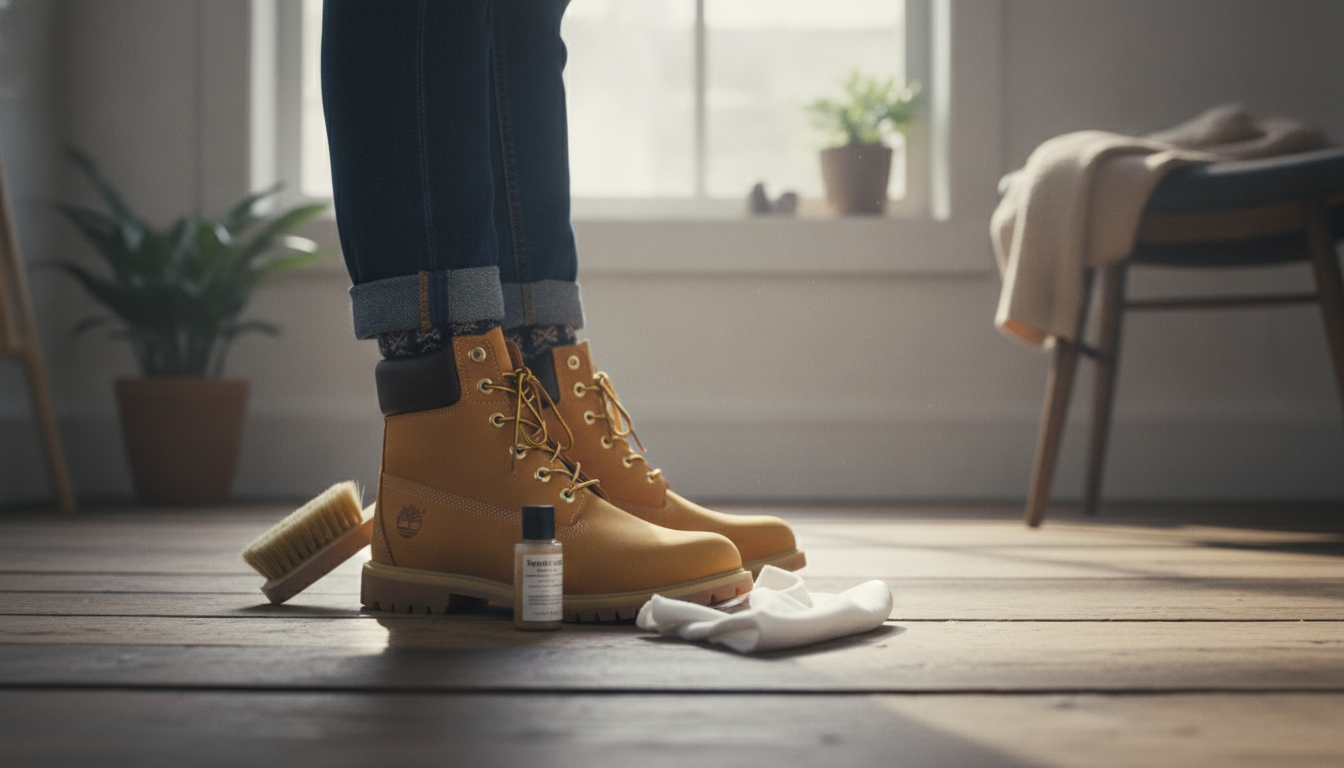
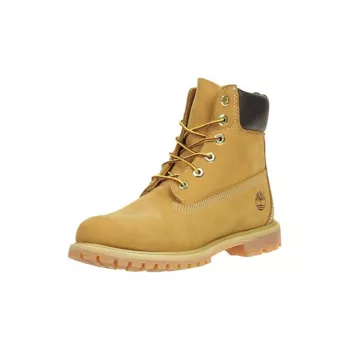
Leather ankle boots earn their keep when they can handle busy commutes, unpredictable weather, and long days without looking out of place. Timberland’s women’s leather ankle boots lean into durable materials, supportive construction, and easy styling that works for casual outfits, travel days, and light outdoor use—without needing a full hiking boot profile. For more guidance, see Women’s Boots – Boots for Women | Timberland US.
If the goal is one pair that can move from weekday errands to weekend walks, a leather ankle boot hits a sweet spot: enough coverage for cool weather, but not so tall that it feels bulky or hard to style. For further reading, see Ankle Boots – Women’s Footwear – Timberland.
Leather is one of the biggest reasons ankle boots can look better with time—when it’s cared for. Most leather uppers feel firmer out of the box and then gradually relax at pressure points as they break in. Early wear can feel snug across the forefoot or instep, especially if the leather is thick or the boot has a structured panel layout.
Construction details matter as much as the material itself. Stitching and panel placement influence how well the boot holds its shape after months of walking. Look closely at seams near flex points (especially around the toe bend). A stable heel counter (the back of the boot) can reduce heel slip and helps the boot feel more supportive during long days on foot.
Outsole performance is easy to misread. A chunky look doesn’t automatically mean better traction; what helps most is a lug pattern with enough depth and channels to shed water. Deeper, defined lugs generally improve grip on wet sidewalks and slushy crosswalks, while flatter patterns can feel slick when temperatures drop.
| Detail | Why it matters | What to look for |
|---|---|---|
| Leather thickness/finish | Affects durability and how easily scuffs show | Even color, minimal creasing at the vamp, consistent finish |
| Toe box shape | Comfort for all-day wear | Enough wiggle room without the foot sliding forward |
| Outsole tread | Traction on wet pavement | Defined lugs and channels for water shedding |
| Collar padding | Ankle comfort and blister prevention | Smooth lining and cushioned collar edge |
| Insole support | Arch comfort and fatigue reduction | Removable insole or supportive footbed feel |
A good ankle boot fit feels locked-in at the heel, with comfortable space at the toes. Leather can soften and mold to the foot, but it typically won’t “grow” much in length—so if toes are pressed or the toe box pinches, it’s unlikely to become a great fit later.
For long walking days, supportive footwear helps reduce fatigue. General fit and comfort guidance from the American Podiatric Medical Association’s healthy footwear tips can be a helpful reference when comparing styles.
Leather can handle everyday weather well, but it performs best with basic protection. For light rain and splashes, a water-repellent treatment can help moisture bead up instead of soaking in. Conditioning is equally important: it helps keep leather from drying out and reduces the chance of cracking over time.
For brand-specific cleaning and protection basics, Timberland’s boot care and cleaning guidance is a useful checklist for routine upkeep.
If responsible sourcing is part of how you shop, learning about leather standards can help you compare brands and materials. The Leather Working Group offers background on responsible leather practices and transparency.
Timberland Women’s Leather Ankle Boots are a strong match for everyday walking, commuting, casual outfits, and cooler-weather rotations. Expect a short break-in period typical of leather footwear, and size with your most common socks in mind.
Leather typically softens and molds to the foot with wear, improving comfort at pressure points, but it usually does not change much in length. If the toe box pinches from day one, it may not become comfortable later.
Use a leather-appropriate water-repellent treatment, wipe off moisture and salt residue soon after exposure, and condition periodically to prevent drying and cracking. Regular cleaning is especially important after walking through slush or salted sidewalks.
Choose socks based on fit and season: thinner socks for a closer fit, thicker boot socks for warmth and cushioning. The heel should stay secure and the toes should still have room without pressure.




Leave a comment