European Outlet Baby Socket Covers (6-Pack) Safety Guide
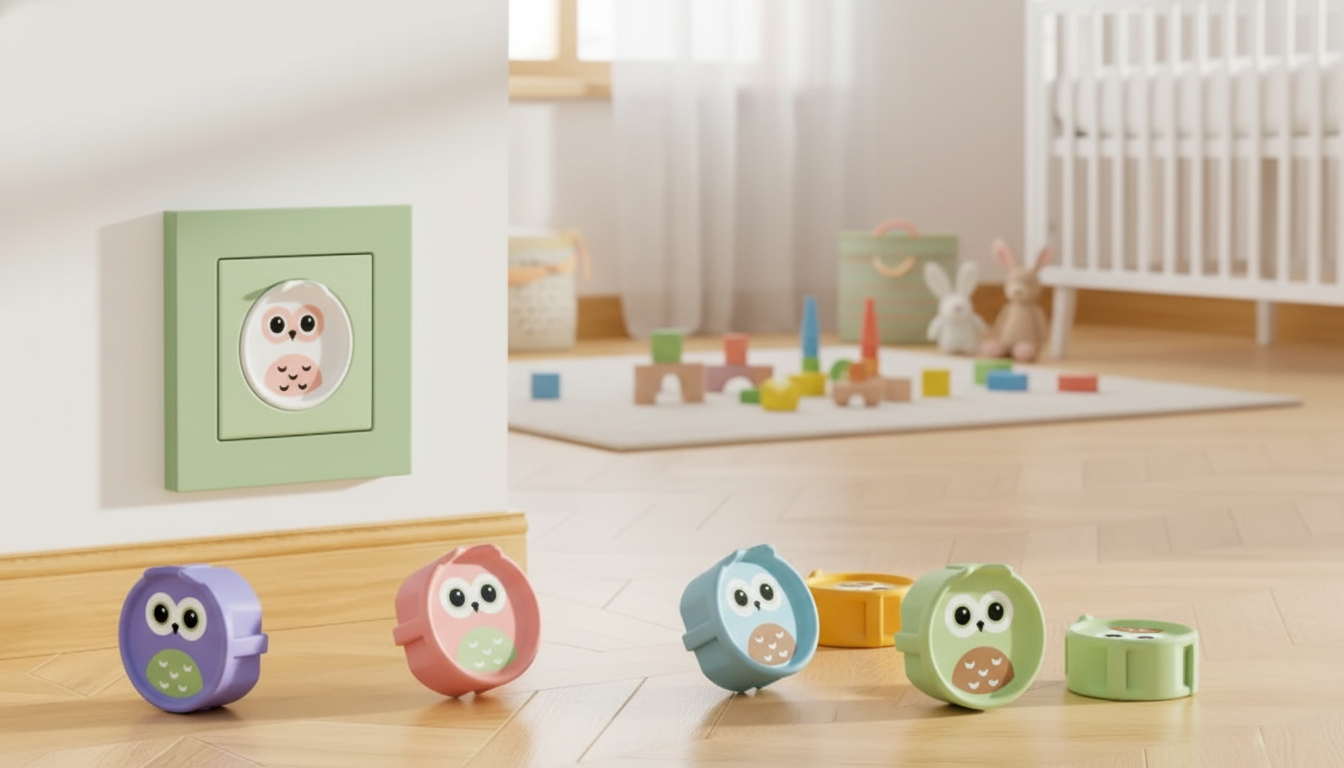
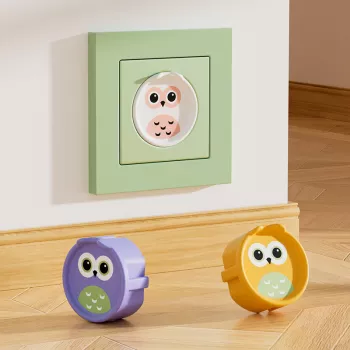
6-Pack Silicone Baby Safety Socket Covers for European Outlets
Open electrical outlets are one of the easiest hazards for curious crawlers and toddlers to reach—especially at floor level in bedrooms, living rooms, and rental apartments. These silicone socket covers are designed to block access to European-style outlets and add a quick, practical layer of childproofing without tools or permanent changes.
Why uncovered outlets are a problem for babies and toddlers
Babies and toddlers explore with their hands first, and outlets sit right in their “discovery zone.” What looks harmless to an adult can quickly become a high-interest target for a child.
- Little fingers and small objects can reach outlet openings long before a child understands danger.
- Floor-level outlets are often located near cribs, play mats, and sofa edges where children explore.
- Temporary childproofing is especially helpful for travel, visits with grandparents, and short-term rentals.
For broader home guidance, you can also review general electrical safety resources from ESFI and family-focused home safety tips from HealthyChildren.org (American Academy of Pediatrics).
What’s included and what it fits
This set includes six silicone socket covers intended for European outlets. The soft silicone construction is designed to sit flush and act as a simple barrier to access—helpful when you want an easy step that doesn’t require tools or replacing outlet plates.
- Set includes 6 silicone socket covers intended for European outlets.
- Soft silicone construction aims to sit flush and act as a simple barrier to access.
- Useful as a “baseline” safety step before adding broader room-by-room precautions (cord management, furniture anchoring, and gate placement).
Quick fit and use checklist
| Check | What to look for | Why it matters |
|---|---|---|
| Outlet type | European-style wall outlet where the cover sits flush | Improves coverage and reduces little gaps to pick at |
| Placement | Outlets at child height or near play areas | Prioritizes the highest-risk locations |
| Condition | No cracking, looseness, or heat damage around outlet | Outlet issues should be addressed by a qualified electrician |
| Supervision | Covers are a barrier, not a substitute for supervision | Layered safety reduces risk when routines get busy |
Where these covers help most at home (and away)
Socket covers are most valuable where kids spend the most time on the floor—crawling, cruising along furniture, and playing near baseboards.
- Nurseries and bedrooms: outlets near cribs, changing tables, humidifiers, and nightlights.
- Living areas: behind couches, near TV consoles, and along baseboards where kids crawl.
- Guest rooms and grandparents’ homes: quick setup without installing hardware.
- Travel and rentals: a compact option to bring along when outlet styles match European sockets.
If you’re visiting family in another country, it can also help to check child safety basics from the European Child Safety Alliance so your “grab-and-go” childproofing plan matches the home environment.
How to use socket covers safely
Outlet covers work best when they’re treated as one part of a bigger safety routine. Before placing any cover, take a quick moment to assess the outlet and the area around it.
- Install only on outlets that are cool to the touch and in good condition.
- Confirm the cover is seated securely and sits flush; replace if it becomes loose or deformed.
- Keep small safety items out of reach during setup to avoid them becoming a choking hazard.
- Pair with cord control: move chargers and dangling cords higher, and avoid leaving plugged-in adapters accessible.
- Teach older toddlers simple rules early (“outlets are not for touching”) while keeping physical barriers in place.
Silicone vs. other outlet safety options
Different homes (and different outlet setups) call for different solutions. Silicone covers are a convenient choice for unused outlets, especially when you want something that feels smooth and sits neatly against the wall.
- Simple plug-in covers: fast and budget-friendly for unused outlets, but must be snug and consistently replaced after use.
- Outlet plates with built-in shutters: a more permanent solution, often requiring tools and installation; may be preferable for long-term childproofing.
- Power strip boxes and cord shorteners: best for managing plugs and cables in use, which covers alone do not address.
- A layered approach works best: block unused outlets and manage cords and power strips that remain active.
Care, maintenance, and replacement cues
Because these covers are handled during cleaning, rearranging rooms, and everyday life, it’s smart to do quick “touch checks” during your normal tidy-up routine.
- Wipe clean with a damp cloth; dry fully before placing back into an outlet area.
- Replace if the silicone shows tearing, warping, stickiness, or no longer fits snugly.
- Do not use on outlets that show signs of overheating (discoloration, burning smell, warmth).
- Store spares out of children’s reach to prevent them from being handled as toys.
A practical room-by-room plan
If you’re short on time (which is most days with a little one), a simple sequence helps you cover the most important spots first and reduces the chance you’ll miss a “newly interesting” outlet after a furniture move.
In-stock picks for a safer setup
- 6-Pack Silicone Baby Safety Socket Covers – European Outlet Childproof Guards
- Returning to Work After Motherhood: Your Ultimate Guide for Stay-at-Home Moms
FAQ
Do these covers work with all European outlets?
European outlets vary by type and depth, so fit can differ. Check that the cover sits flush and fits snugly in your specific socket style before relying on it as a barrier.
Are outlet covers enough for childproofing electrical hazards?
Outlet covers help, but they’re only one layer. Combine them with supervision, cord management, and keeping active plugs and power strips out of reach.
What should be done if an outlet feels warm or looks damaged?
Stop using that outlet and don’t treat a cover as a fix. If you notice discoloration, a burning odor, looseness, or warmth, contact a qualified electrician.















Leave a comment