Calvin Klein Women’s Leather Lace-Ups for Work & Weekend
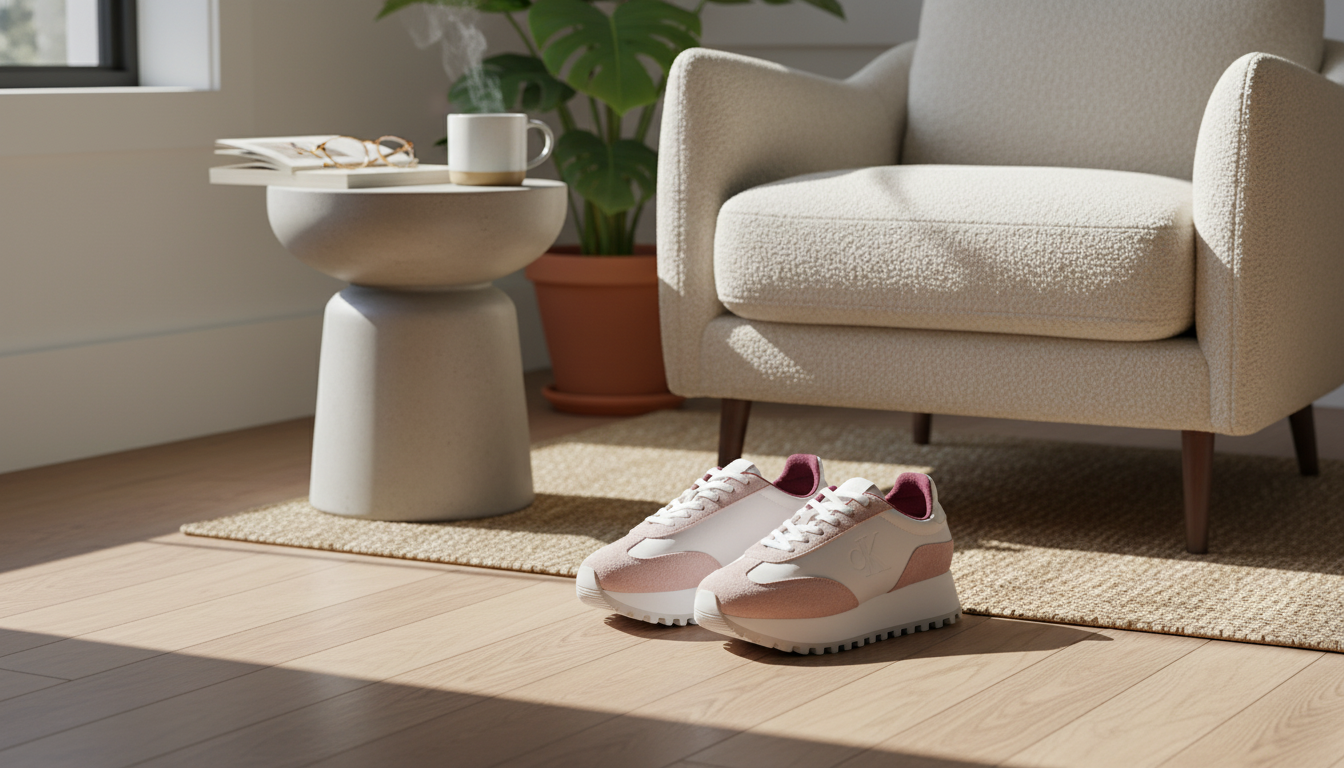
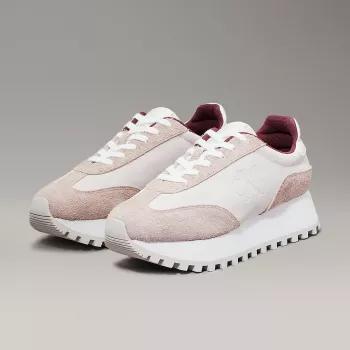
Calvin Klein Women’s Leather Lace-Up Shoes: Polished Comfort for Everyday Wear
Leather lace-up shoes are a go-to when an outfit needs to look sharp without feeling overly formal. This Calvin Klein pair is positioned as an easy, wear-anywhere option—clean lines, classic lacing, and the kind of finish that works from commute to meetings to weekends. When a day includes walking, standing, and sitting through back-to-back plans, a streamlined lace-up can be the difference between looking put-together and feeling distracted by footwear. For more guidance, see Women’s Shoes | Comfortable & Stylish Shoes – Calvin Klein.
At a Glance
- A streamlined lace-up silhouette that pairs well with workwear and casual outfits.
- Leather uppers typically offer a more structured look and can soften with wear.
- Laces allow small fit adjustments across the instep compared with slip-ons.
- A practical choice for building a capsule wardrobe around neutral, polished footwear.
| Detail | What to look for |
|---|---|
| Upper material | Leather for a refined finish and gradual break-in |
| Closure | Lace-up for adjustable fit and stability |
| Best use | Office days, city walking, smart casual outfits |
| Style pairing | Tailored pants, straight-leg jeans, midi skirts, sweater dresses |
| Care needs | Condition occasionally; wipe clean after wear; store with shape support |
Design Details That Make Them Easy to Wear
- A minimalist profile tends to look sleek with tailored outfits and doesn’t compete with accessories.
- Lace-up construction can help reduce heel slip by securing the midfoot more precisely.
- Leather uppers often develop a personalized fit over time, especially across the forefoot.
- A closed-toe lace-up can read more polished than sneakers while remaining comfortable for long days.
For many wardrobes, the sweet spot is footwear that looks intentional without demanding outfit “rules.” A clean lace-up sits comfortably in that lane: it can elevate denim, keep office looks crisp, and still feel appropriate for weekend errands. Leather also tends to photograph and wear well—especially when kept free of dust and conditioned once in a while. For further reading, see Ladies Calvin Klein Shoes & Boots – Arthur Knight Shoes.
If you care about sourcing and production standards, it can be helpful to learn about industry initiatives like the Leather Working Group, which focuses on environmental best practices in the leather supply chain.
Fit and Sizing: Getting a Confident, Non-Pinch Fit
- Aim for a thumb’s width of space in front of the longest toe to reduce pressure during walking.
- Check heel security: the heel should feel held in place without rubbing; adjust lacing before sizing up.
- For higher insteps, loosen laces near the midfoot and tighten gradually toward the ankle for balanced pressure.
- If worn with thicker socks in cooler months, test fit with the socks that will be used most often.
- A short break-in is common with leather; avoid forcing a tight fit that causes numbness or hot spots.
Lace-ups are especially useful when one foot runs slightly smaller than the other or when swelling changes throughout the day. Use that adjustability: start with a comfortably snug midfoot (not tight), then fine-tune the top eyelets so the ankle feels stable without pressure. For practical shoe-shopping guidelines that help prevent common fit mistakes, the American Podiatric Medical Association’s shoe shopping tips are a solid reference.
Comfort in Real Life: Commutes, Meetings, and Weekends
- For city days, a supportive insole and stable step are key; consider adding a thin cushioned insole if extra padding is needed.
- Lace-ups can help keep the foot centered, which may reduce fatigue compared with looser slip-on styles.
- Rotate wear (not the same pair daily) to help the interior dry and to extend leather life.
- If walking distances are longer, prioritize socks that reduce friction and manage moisture.
Even well-fitting shoes can cause irritation when the day includes more walking than usual. If a “hot spot” shows up, address it early with better socks, a small lacing adjustment, or a thin insole to reduce friction. If a blister forms, follow reputable care guidance like the American Academy of Dermatology Association’s recommendations on treating blisters—especially if the skin is broken or painful.
How to Style Leather Lace-Ups for a Modern, Clean Look
Leather Care: Keeping the Finish Looking Crisp
| When | What to do |
|---|---|
| After wearing | Wipe with a dry or slightly damp cloth; let air out before storing |
| Weekly (heavy use) | Brush off debris; spot-clean marks gently |
| Monthly or as needed | Apply a small amount of leather conditioner; buff lightly |
| Seasonal storage | Use shape support; store in a breathable dust bag or box |
Value Check: When This Style Makes Sense
Where to Buy
- Calvin Klein Women’s Leather Lace-Up Shoes
- Returning to Work After Motherhood: Your Ultimate Guide for Stay-at-Home Moms (helpful if you’re refreshing a work-friendly wardrobe and routines)
FAQ
Do leather lace-up shoes stretch over time?
Leather commonly softens and molds slightly with wear, especially across the forefoot. Stretch is limited, so a shoe that is painfully tight usually won’t become comfortable enough without professional stretching.
How should leather lace-up shoes fit at the heel?
The heel should feel secure with minimal movement. If you notice slipping, try re-lacing to lock the midfoot; ongoing rubbing usually means the sizing or sock/insole setup needs to change.
What’s the easiest way to keep leather shoes looking new?
Wipe off dust after wearing, condition occasionally, avoid direct heat when drying, and store with shape support. Small, consistent care steps prevent buildup and help the leather stay smooth.













Leave a comment