Bone Conduction Pillow Speaker: Bluetooth Sleep Timer
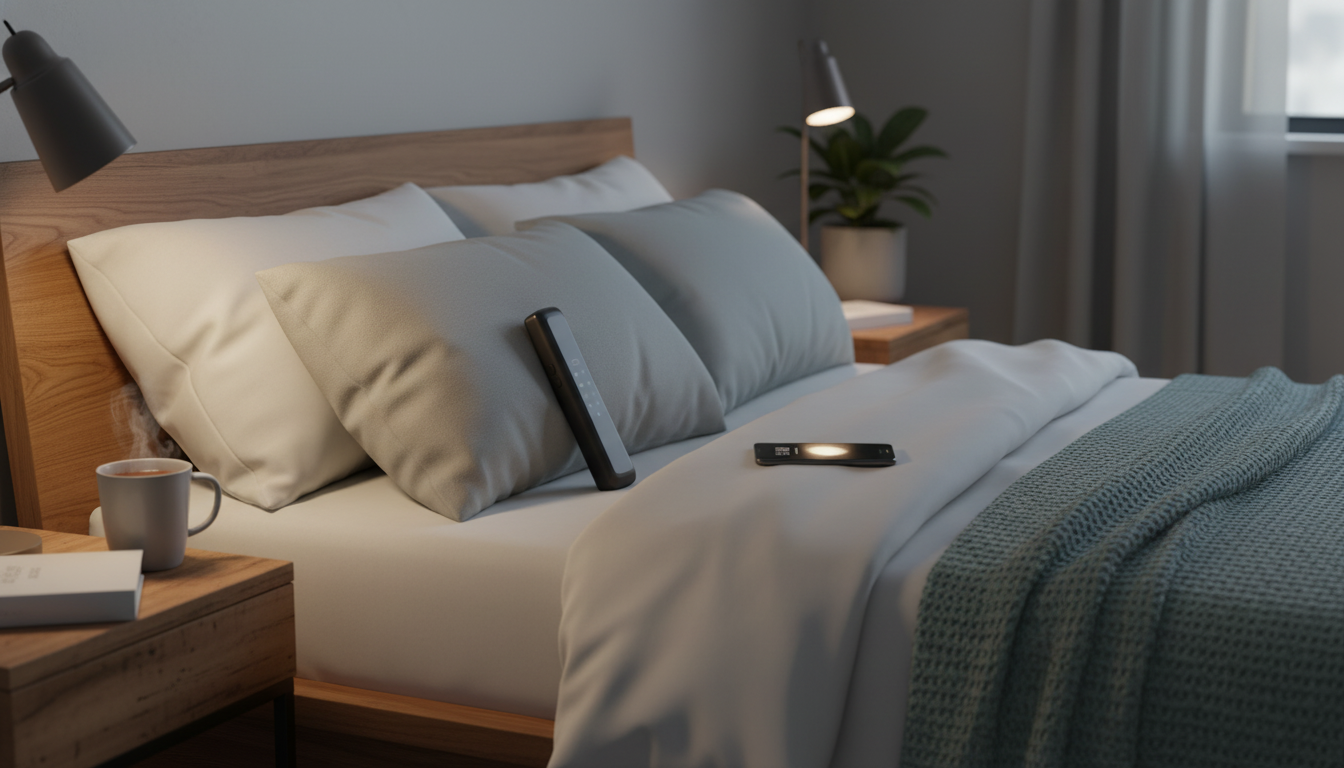
Bluetooth Bone Conduction Pillow Speaker: Wireless Sleep Sound Box with Timer
A pillow speaker that uses bone conduction can deliver clear, private audio without filling the whole room with sound. This compact wireless sleep sound box pairs with Bluetooth devices and includes a timer to help wind down, mask distractions, and automatically power off after bedtime listening.
For anyone trying to fall asleep with a podcast, audiobook, calming music, or white noise—without earbuds digging into an ear or a bedside speaker waking someone else—bone conduction under a pillow is a simple, low-profile approach that keeps the bedroom calmer overall.
What This Sleep Sound Box Does
- Delivers audio through bone conduction so sound feels close and personal while staying quieter to others nearby.
- Connects wirelessly to phones and tablets via Bluetooth for bedtime playlists, white noise, audiobooks, or guided breathing.
- Built-in timer supports hands-off shutoff, reducing all-night playback and late-night screen checks.
- Designed for under-pillow or bedside placement to keep the setup minimal and clutter-free.
If you’re shopping for a straightforward option to keep on the nightstand or slip under your pillow, the Bluetooth Bone Conduction Pillow Speaker – Wireless Sleep Sound Box with Timer is a compact pick with the key nighttime features most people actually use: wireless playback and a timer.
How Bone Conduction Works Under a Pillow
- Instead of pushing loud sound into the air, a vibrating transducer transfers energy into nearby surfaces.
- With a pillow, the vibration can travel through fabric and cushioning, creating audible sound primarily for the person lying closest.
- This approach can be helpful for shared bedrooms where one person wants audio and the other wants quiet.
- Comfort depends on placement: keeping the speaker slightly to the side of the head often reduces pressure points while maintaining clarity.
Because sound isn’t blasting outward like a traditional speaker, the room can stay relatively quiet while the listener still hears enough detail to follow spoken-word tracks. If white noise is part of your routine, it’s worth noting that some people find it helpful for masking interruptions; the Sleep Foundation provides an overview of how white noise may affect sleep quality and consistency (Sleep Foundation — White Noise: Does It Help You Sleep?).
Highlights That Matter at Night
- Bluetooth playback reduces cable tangles near the bed and supports modern devices.
- Timer-based shutoff encourages consistent sleep routines and avoids waking up to ongoing audio.
- Low-profile design aims to stay unobtrusive under a pillow or near the edge of a mattress.
- Useful across multiple audio types: ambient noise, nature sounds, audiobooks, and meditation tracks.
Quick Feature Guide for Bedtime Use
| Feature | What it helps with | Nighttime benefit |
|---|---|---|
| Bone conduction output | Creates sound through vibration rather than room-filling speakers | More private listening in shared spaces |
| Bluetooth connection | Streams audio from a phone/tablet without a wire to the pillow | Less clutter and fewer snag risks |
| Sleep timer | Stops playback after a set period | Helps prevent all-night audio and saves battery |
| Compact form | Fits under a pillow or at the bedside | Easier to position for comfort |
Bluetooth is designed for short-range wireless convenience, which makes it a natural fit for the bedroom; the Bluetooth SIG offers a helpful plain-language overview of how the technology works (Bluetooth SIG — Bluetooth Technology Overview).
Setup: Pairing, Volume, and Using the Timer
- Charge fully before first use if the unit is rechargeable; a full charge improves pairing stability and reduces mid-night shutdowns.
- Pair in Bluetooth settings: put the speaker in pairing mode, select it on the phone, and confirm connection.
- Start at low volume and increase gradually; under-pillow positioning can amplify perceived loudness.
- Set the timer before settling in, choosing a duration that covers the time it usually takes to fall asleep.
- If audio is muffled, move the speaker closer to the pillow edge near the ear rather than directly under the center of the head.
Placement Tips for Comfort and Clarity
Who This Works Best For
For a low-friction bedtime setup, a dedicated pillow speaker pairs well with a simple wind-down plan (playlist, breathing track, or ambient loop) and a consistent timer. If you like structured routines and checklists for building better habits in general, the digital download Boost Your AI Prompts for Better Output – Checklist for Creators, Coaches & Entrepreneurs is another in-stock option that’s easy to keep on hand for quick reference.
Care, Safety, and Nighttime Best Practices
When it comes to long-term hearing health, volume and exposure time matter. If you tend to turn things up, consider resetting your default to a lower level and relying more on placement for clarity; NIDCD has a useful overview of noise-induced hearing loss and why sustained loud listening is risky (NIDCD — Noise-Induced Hearing Loss).
When to Choose a Pillow Speaker Instead of Earbuds or a Room Speaker
FAQ
Will a bone conduction pillow speaker bother a partner sleeping nearby?
It’s typically more localized than a standard speaker, but some sound leakage can still happen—especially at higher volumes. Keeping the volume moderate and placing the speaker closer to your side of the pillow usually reduces disturbance.
Where should the speaker be placed for the best sound?
Place it near the pillow edge close to your ear area rather than directly under the center of your head. Side sleepers often prefer slightly in front of or behind the ear zone, while back sleepers usually get better comfort by offsetting it to one side.
How long should the sleep timer be set?
A good starting point is the amount of time it typically takes to fall asleep—often 15 to 45 minutes. If you notice the audio stops too soon or keeps playing after you’re out, adjust in small increments until it matches your routine.














Leave a comment