Dr. Martens Men’s Boots: Fit, Break-In, Care & Style
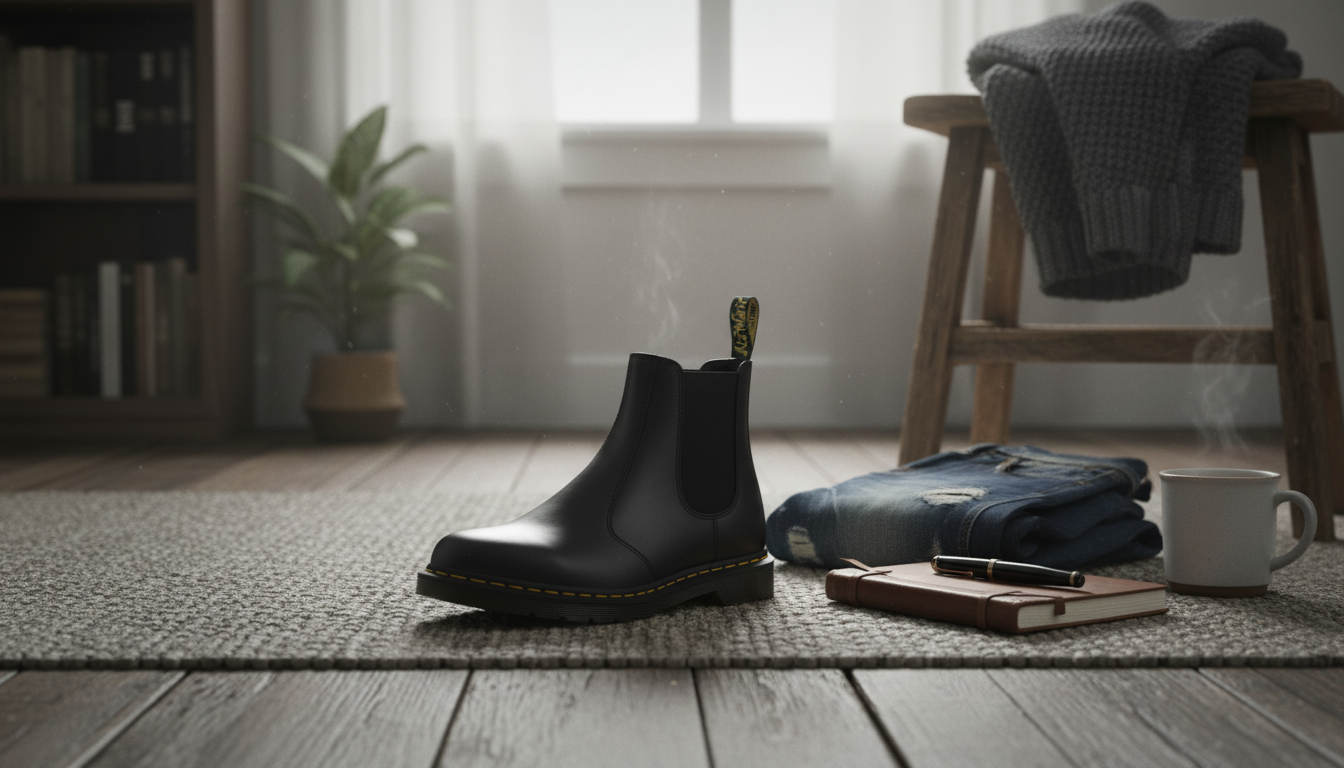
Dr. Martens men’s boots are built for repeat wear: structured uppers, grippy soles, and a look that works from casual streetwear to smart-casual outfits. A classic black pair is especially easy to live in—reliable with denim, sharp with dark trousers, and tough enough for daily miles. Below is what to expect before buying, how to nail the fit, how to break them in with less frustration, and how to keep them looking crisp for years.
What sets Dr. Martens men’s boots apart
Dr. Martens boots stand out for their instantly recognizable shape and a construction that favors structure over a “soft out of the box” feel. The silhouette pairs naturally with jeans, workwear, and layered outfits, while the firm underfoot ride supports longer days on your feet. Many wearers also appreciate the focus on durability—stitching, materials, and sole build designed to handle regular use rather than occasional outings. In black, the versatility goes even further: the color stays seasonless, works with monochrome outfits, and can lean casual or slightly dressed-up depending on how polished you keep the leather.
Quick specs to check before buying
Two black boots can look similar online and feel completely different on foot. Before committing, check the upper material, how padded the collar is, and the outsole pattern if you often walk on wet pavement or uneven sidewalks. Lace-up closures are a plus for adjustability—especially if your instep runs high or you like thicker socks. Finally, pay attention to toe shape: a roomier toe box can make a huge difference during long workdays or travel.
At-a-glance checklist
| Feature | What to look for | Why it matters |
|---|---|---|
| Material/finish | Smooth leather or coated alternative | Affects break-in time, creasing, and care routine |
| Sole feel | Firm with good rebound | Supports longer walks and daily wear |
| Fit through heel | Secure without lifting | Prevents blisters during break-in |
| Toe room | Comfortable wiggle space | Improves comfort on long days |
| Sock pairing | Medium to thick socks | Helps dial in fit and reduce rubbing |
Fit and sizing: getting the right feel from day one
The goal is a boot that feels secure where it should (heel and midfoot) and forgiving where it needs to be (toe box). Start by aiming for a snug heel with minimal lift when you walk; too much movement at the back is one of the quickest routes to friction. At the same time, make sure your toes can move freely—if the front feels cramped or your toes press the end while standing, sizing up or choosing a roomier last is usually the better path.
If you’re between sizes, decide based on your real-life routine: do you wear thicker everyday socks, or plan to add an insole for cushioning? Those choices can “use up” extra volume. A boot that feels just a bit tight across the vamp may relax as the upper flexes, but a boot that crushes toes or causes numbness rarely becomes truly comfortable. One more check: ankle flex. Take a few steps and bend your knees—your boot should flex where your foot naturally flexes without digging sharply into the front of the ankle.
A quick at-home test helps: try the boots on a clean floor for 10–15 minutes, walk up and down stairs if you can, and pay attention to any hot spots. If pressure appears in a specific spot, adjust lacing before assuming the size is wrong.
Breaking them in without the pain
Lacing strategy matters more than most people expect. Try loosening over the instep to ease pressure and tightening slightly at the ankle to keep the heel stable. If you’re prone to blisters, apply protection early (heel strips or moleskin) before irritation starts. For leather uppers, light conditioning can help the material flex more comfortably and resist drying as it creases—especially in colder months or dry climates. For official brand-specific care steps, the Dr. Martens Shoe Care Guide is a solid reference.
How to style black Dr. Martens men’s boots
Care and maintenance for long-lasting wear
For leather uppers, condition occasionally and add water protection appropriate for the finish. Polish is the easiest way to keep black boots looking deep and uniform; it also helps scuffs blend in. Finally, check the sole for uneven wear. Rotating footwear (even just alternating days) reduces constant compression in the same spots and can extend outsole life. For general footwear fit and comfort guidance, the American Podiatric Medical Association (APMA) offers practical tips worth following.
Featured picks (in stock)
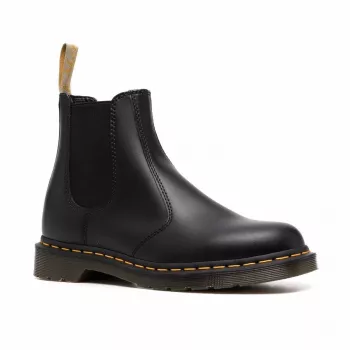
- Dr. Martens Men’s Black Boots — a versatile everyday option built for repeat wear.
- Boost Your AI Prompts for Better Output – Checklist for Creators, Coaches & Entrepreneurs | Easy Prompt Upgrades for Better Output | Digital Download — a quick digital resource for creators refining their workflow.
- Returning to Work After Motherhood: Your Ultimate Guide for Stay-at-Home Moms — a supportive guide for planning a return to work.
When these boots make the most sense
FAQ
Do Dr. Martens men’s boots run true to size?
Fit can vary by model and foot shape, so measuring your foot and factoring in sock thickness is important. Aim for a secure heel with comfortable toe room; if you plan to wear thicker socks or add an insole, that may affect the best size.
How long does it take to break in Dr. Martens boots?
Break-in can take several wears to a few weeks depending on the material and how often you wear them. Short initial wear sessions, thicker socks, and small lacing adjustments can make the process much more comfortable.
How should black leather boots be cleaned and protected?
Wipe off debris with a damp cloth, let them air-dry away from heat if wet, and condition the leather occasionally to prevent drying. Use black polish to refresh color and minimize scuffs, and apply a water-resistant protector suited to the leather finish.















Leave a comment